Black Caucus Chair Akilah Weber Pierson Applauds California Ban on Police Officers Wearing Face MasksSen. Akilah Weber Pierson (D-San Diego), chair of the California Legislative Black Caucus (CLBC) last week praised California’s new law limiting when law enforcement officers may wear face coverings, calling it a critical step toward accountability and public trust in policing. The measure, SB 627 -- also known as the No Secret Police Act -- was signed by Gov. Gavin Newsom last year and took effect on Jan. 1. It restricts law enforcement officers from wearing facial coverings while performing public duties, except under limited operational circumstances. The law applies to local, state, and federal agencies operating in California and requires departments to adopt and publicly post mask-use policies by July 1, 2026. Weber Pierson, a co-author of the legislation, said the law affirms the public’s right to transparency. “The public has a right to know who is enforcing the law in our communities,” Weber Pierson posted on Facebook on Jan. 14. Framing the issue as more than administrative oversight, Weber Pierson stated that visibility and accountability are essential to community well-being. “Transparency in policing is a public health issue,” she added, noting that communities cannot heal from historical trauma when officers wield authority anonymously. Despite support from civil rights advocates, the law is facing a federal court challenge. The U.S. Department of Justice is seeking to pause its application to federal agents, arguing that the measure interferes with federal law enforcement operations, particularly immigration enforcement. Federal attorneys told the court on Jan. 14 that the law improperly regulates federal officers and exposes them to increased safety risks. First Assistant U.S. Attorney Bill Essayli said officers are increasingly targeted through facial recognition and AI tools, claiming an “8,000% increase in threats” against Immigration and Customs Enforcement (ICE) agents. He also cited instances of agents being tracked to their homes and harassed. During the hearing, the judge raised concerns about potential unequal treatment if exemptions apply differently to state and federal officers. A decision on the request to pause enforcement is expected soon. Supporters of SB 627 argue the law advances civil rights by ensuring officers are identifiable during public interactions, while opponents contend it endangers officer safety and undermines federal enforcement authority -- setting the stage for a legal battle with broader implications for policing and oversight in California.
Thursday, 22 Jan 2026
Thursday, 22 January 2026

CA’s Public Playback: News You Might Have Missed

Gov. Newsom to Deliver State of the State Address on Jan. 8

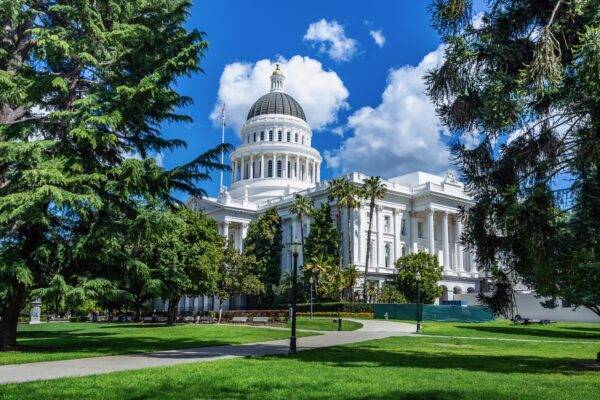
Gov. Gavin Newsom will deliver his State of the State address on Jan. 8, 2026, at the California State Capitol before a joint session of the Legislature.

In the speech, Newsom is expected to reflect on California’s key achievements in 2025 and outline the state’s goals for 2026. Notable progress in health care, education, and climate action will likely be highlighted.

According to Newsom’s office, the state has made significant strides in expanding access to affordable health care, including lowering the price of insulin through CalRx and reducing prescription drug costs. California also secured $60 billion in utility rebates to help families reduce their energy bills.

Newsom is also expected to address the ongoing housing affordability crisis, which his administration has worked to combat by enacting a number of reforms and streamlining the housing approval process. Other topics Newsom will likely touch on include mental health services and ongoing efforts to fight climate change.

One of the governor’s key accomplishments last year, Newsom aides say, is California’s leadership in clean energy. The state continued to push toward its goal of reducing greenhouse gas emissions and expanding renewable energy sources. In 2025, California reached a milestone of two-thirds clean energy. Newsom is expected to discuss ongoing projects to further accelerate the state’s clean energy transition.

The governor’s speech will also focus on California’s resilience in the face of federal opposition, including policies that have threatened public health, housing, and environmental protections. Additionally, the address will highlight the state’s efforts to protect reproductive rights, support small businesses, and create new career pathways for Californians.

Livestreams of the address will be available on the Governor’s social media platforms, including Twitter, Facebook, YouTube, and Instagram. TV stations can also access the address through the LiveU Matrix under “California Governor.”

___________

Bo Tefu, California Black Media

The Most Read

Black Caucus Chair Akilah Weber Pierson Applauds California Ban on Police Officers Wearing Face MasksSen. Akilah Weber Pierson (D-San Diego), chair of the California Legislative Black Caucus (CLBC) last week praised California’s new law limiting when law enforcement officers may wear face coverings, calling it a critical step toward accountability and public trust in policing. The measure, SB 627 -- also known as the No Secret Police Act -- was signed by Gov. Gavin Newsom last year and took effect on Jan. 1. It restricts law enforcement officers from wearing facial coverings while performing public duties, except under limited operational circumstances. The law applies to local, state, and federal agencies operating in California and requires departments to adopt and publicly post mask-use policies by July 1, 2026. Weber Pierson, a co-author of the legislation, said the law affirms the public’s right to transparency. “The public has a right to know who is enforcing the law in our communities,” Weber Pierson posted on Facebook on Jan. 14. Framing the issue as more than administrative oversight, Weber Pierson stated that visibility and accountability are essential to community well-being. “Transparency in policing is a public health issue,” she added, noting that communities cannot heal from historical trauma when officers wield authority anonymously. Despite support from civil rights advocates, the law is facing a federal court challenge. The U.S. Department of Justice is seeking to pause its application to federal agents, arguing that the measure interferes with federal law enforcement operations, particularly immigration enforcement. Federal attorneys told the court on Jan. 14 that the law improperly regulates federal officers and exposes them to increased safety risks. First Assistant U.S. Attorney Bill Essayli said officers are increasingly targeted through facial recognition and AI tools, claiming an “8,000% increase in threats” against Immigration and Customs Enforcement (ICE) agents. He also cited instances of agents being tracked to their homes and harassed. During the hearing, the judge raised concerns about potential unequal treatment if exemptions apply differently to state and federal officers. A decision on the request to pause enforcement is expected soon. Supporters of SB 627 argue the law advances civil rights by ensuring officers are identifiable during public interactions, while opponents contend it endangers officer safety and undermines federal enforcement authority -- setting the stage for a legal battle with broader implications for policing and oversight in California.

New Ballot Push: Initiative Would End Prop 50 Temporary Congressional Maps After 2026

Victory Community Church Invites Inland Valley Residents to Worship Service in Ontario

Commentary: How CalMatters Turned a Handbag Into a Political Firestorm and Exposed a Journalism Blind Spot

State of the Dream 2026 Finds Black America Facing a Recession Across Jobs, Housing, and Technology