By: Karen Glenn, Guest Columnist
Let’s be honest—the traditional school model is not a perfect fit for every student and every family dynamic.
And if you’re a parent, guardian, auntie, uncle, or someone raising kids in our community, you already know that.
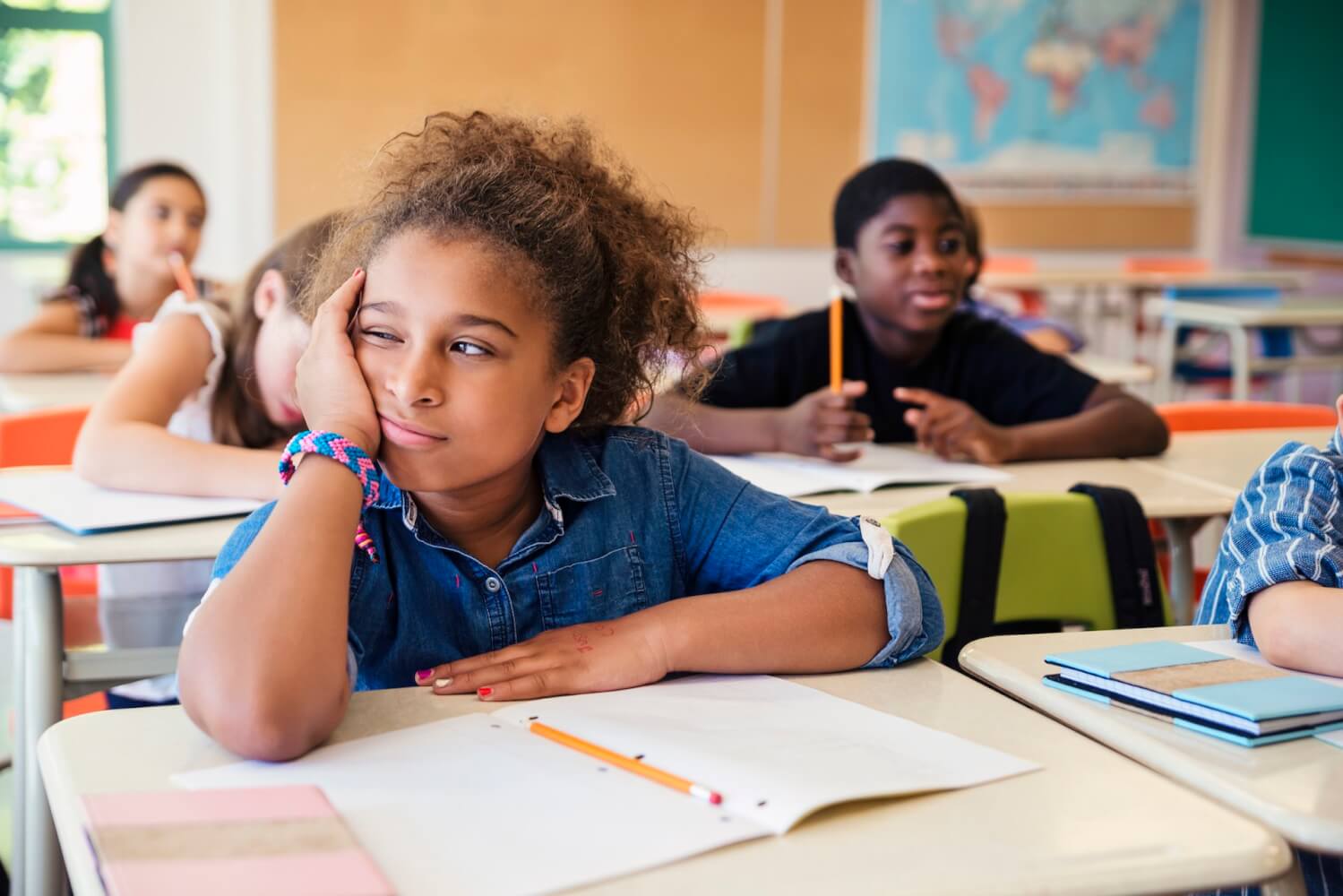
You’ve seen it. You’ve seen the child who used to be excited about school slowly start to pull back. The one who says they’re “tired” every morning. The one who used to try, but now just shrugs and says, “It doesn’t matter.”
That didn’t happen overnight. Sometimes it’s because they’re struggling to keep up.
Sometimes it’s because they don’t feel safe. Sometimes it’s because no one at school really sees them.
And sometimes—it’s because they’re dealing with things outside of school that nobody ever asks about.
What we often call “bad behavior” or “laziness” is usually something deeper. It might be stress. It might be pressure. It might be pain.
And here’s the part we don’t talk about enough: Our schools aren’t always set up to respond to that.
Most schools are built one way—same schedule, same structure, same expectations for every student. But our kids are not all the same. They don’t learn the same, they don’t live the same, and they don’t carry the same experiences.
So when a child doesn’t fit that mold, what happens?
Too often, they’re labeled. They’re disciplined. They’re pushed aside. Or they quietly check out.
And once a student starts checking out, it becomes harder and harder to bring them back. That’s how we lose kids—not all at once, but little by little.
But here’s the truth:
There isn’t just one way for a child to succeed.
Some students do well in traditional schools. Others need something different—smaller settings, more hands-on learning, flexible schedules, or environments where they feel supported and understood.
There are options out there—charter schools, continuation schools, independent study programs, homeschooling, and career training programs—but many families don’t hear about them, don’t have access to them, or don’t know how to navigate them.
So what ends up happening? Families feel stuck. Students feel frustrated. And we keep trying to make a system work that isn’t working for everyone.
So what can we do?
First, we have to start paying attention earlier. When a child begins to disengage—missing assignments, losing interest, avoiding school—that’s not the time to punish. That’s the time to ask questions, offer support, and step in before the situation gets worse.
Second, schools and communities have to work together. Mentorship programs, after-school support, counseling services, and community-based organizations can make a real difference. Sometimes the support a child needs doesn’t just live inside the classroom.
Third, families deserve clear information about their options. Schools, districts, and community organizations should be making it easier—not harder—for parents to understand what choices are available and how to access them.
And just as important, we have to create environments where students feel safe enough to show up as themselves. That means building relationships, showing consistency, and making sure every child knows that someone is paying attention and cares about their success.
Because when kids feel safe, seen, and supported—they show up differently. They try. They engage. They believe in themselves again.
And that’s really what this conversation is about. Not blaming schools. Not blaming families. But being honest about the fact that we need more options, more support, and more awareness.
Our kids deserve more than just “getting through” school.
They deserve to feel like they belong there.
So to the parents who are doing their best and still wondering if it’s enough—it is. And if the traditional model isn’t working for your child or your family, don’t feel shame and don’t blame yourself. Education is evolving, and it’s okay to explore different paths that better meet your child’s needs.
To the students who feel like school just isn’t working right now—this is not the end of your story. There are different paths, different opportunities, and people who want to see you succeed.
And to the educators showing up every day, doing the work, and trying to reach every child you can—your impact is real, even when it doesn’t feel like it.
Because when school doesn’t work for our kids, the answer isn’t to give up.
The answer is to keep showing up, keep searching, and keep building something better—together.
About the Author:
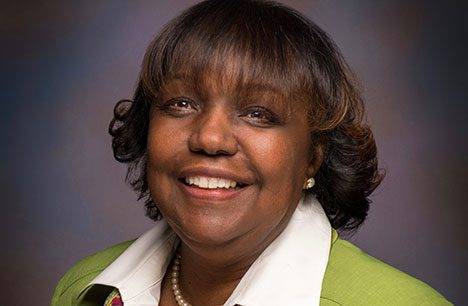
Karen Glenn is an educator, consultant, and Executive Director of Transitions 2 Success, a nonprofit committed to closing the academic achievement gap and promoting educational equity. With a background spanning special education, intervention support, and school leadership, her work centers on trauma-informed education, dropout prevention, and creating pathways for student success.