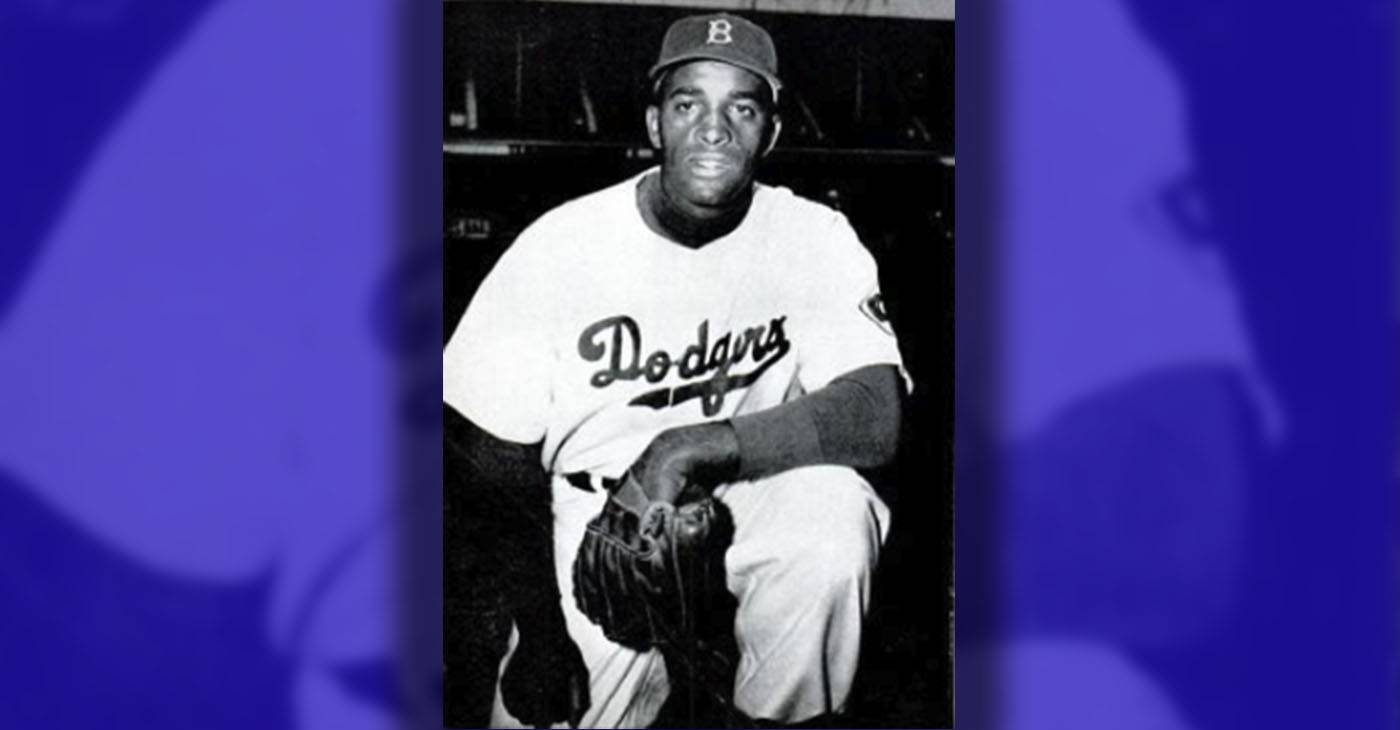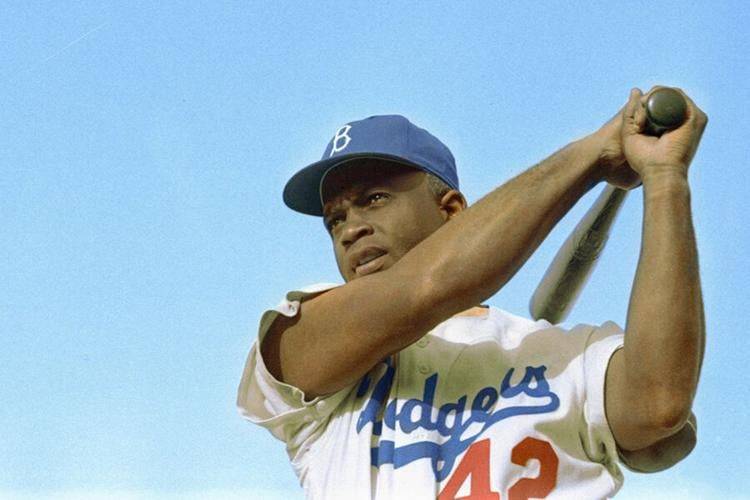
Each year on April 15, Major League Baseball pauses to honor Jackie Robinson—the man who broke baseball’s color barrier in 1947 and forever changed the trajectory of American sports. Every player dons No. 42. Every stadium tells a story of courage.
But beneath the tribute lies a quieter, more uncomfortable truth: the game Robinson integrated no longer reflects the community that once helped define it.
Robinson’s legacy is not symbolic—it is statistical, cultural, and transformational. In his 10-year Major League career, he posted a .311 batting average, stole 197 bases, earned six All-Star selections, won the 1947 Rookie of the Year award, and was named National League MVP in 1949. More importantly, he played with a level of resilience that redefined what leadership and sacrifice looked like under pressure.
Yet today, the presence of Black American players in Major League Baseball tells a different story.
In the 1970s, Black players made up roughly 25% of MLB rosters. Through the 1980s, representation remained strong, hovering between 18% and 20%. But by the early 2000s, that number had dropped to around 12%, and by the 2010s, it fell below 10%. Today, it sits at approximately 6% to 7%.
This is not a coincidence—it’s a systemic shift.
Baseball was once deeply embedded in Black communities. Families gathered for Negro League games. The sport was cultural, accessible, and rooted in community pride. What we are witnessing now is not simply a change in preference among young athletes—it is a change in access.
Modern baseball has become a pay-to-play system.
To compete at a high level, young players must participate in travel ball—an elite, year-round circuit that can cost families anywhere from $1,000 to $6,000 annually. Add in equipment—gloves that can run $200, bats exceeding $300, plus private lessons ranging from $50 to $100 per session—and the total cost can easily climb to $7,000 to $10,000 a year.
For many families, that price point is simply out of reach.
Compare that to basketball, where a ball and a local court can spark a career, or football, where school programs absorb much of the cost. Baseball, by contrast, has built barriers that disproportionately exclude the very communities that once sustained it.
When former MLB All-Star Adam Jones referred to baseball as a “white man’s sport” in 2016, the backlash was swift. But his point wasn’t about ability—it was about infrastructure. Who gets access? Who gets developed? Who gets seen?
That question still lingers.
To its credit, Major League Baseball has introduced initiatives aimed at increasing diversity and investing in underserved communities. But progress has been slow, and the results have yet to match the urgency of the problem.
If the league is serious about honoring Robinson’s legacy, it must go beyond ceremonial gestures. That means real investment—funding local leagues, subsidizing travel costs, providing equipment, and rebuilding pipelines in Black communities.
Because Jackie Robinson didn’t just open a door—he changed the game.
Jackie Robinson Day should be more than a moment of reflection. It should be a call to action. Until the sport begins to look like the communities that once carried it, the celebration will remain incomplete—like a runner rounding third, only to be thrown out at home.