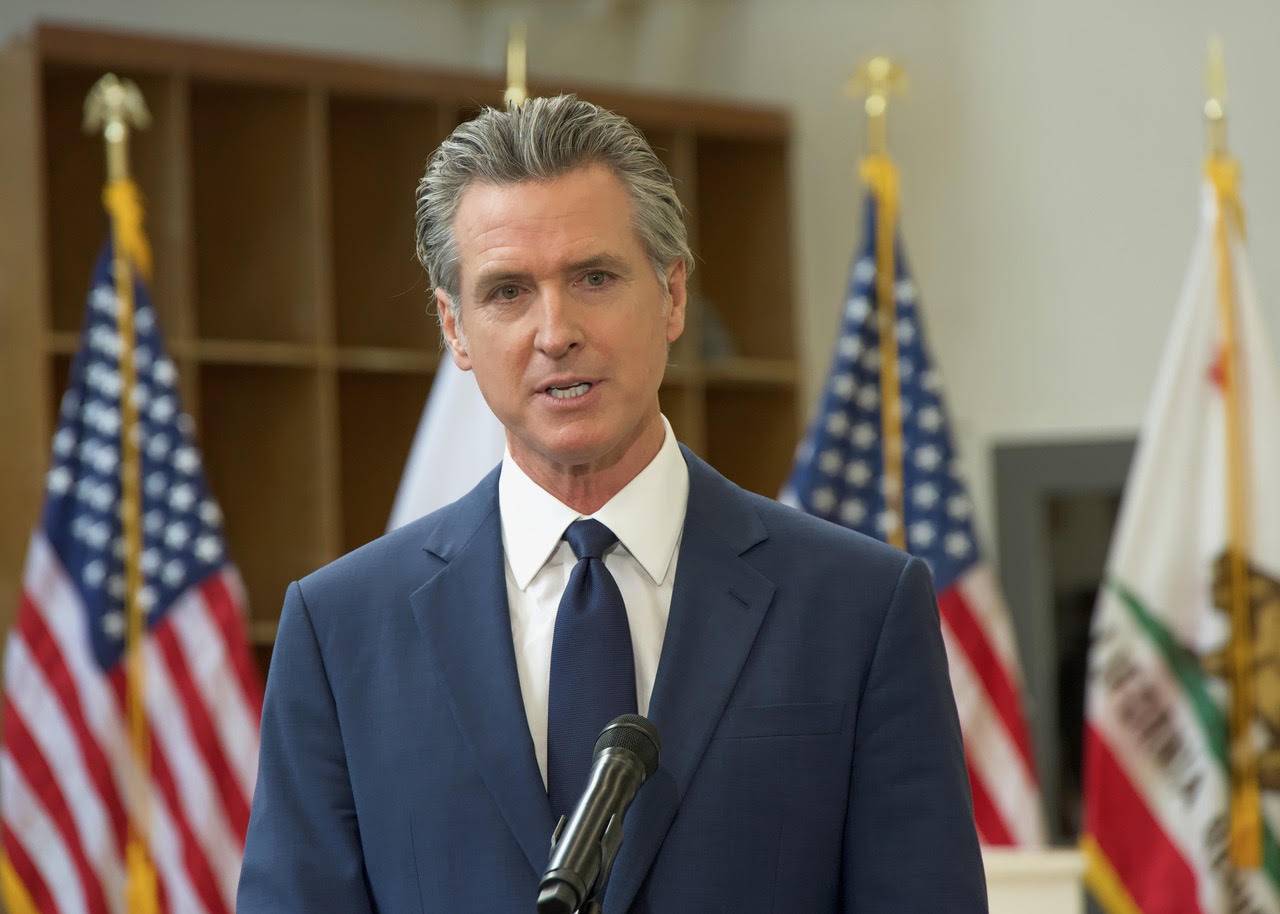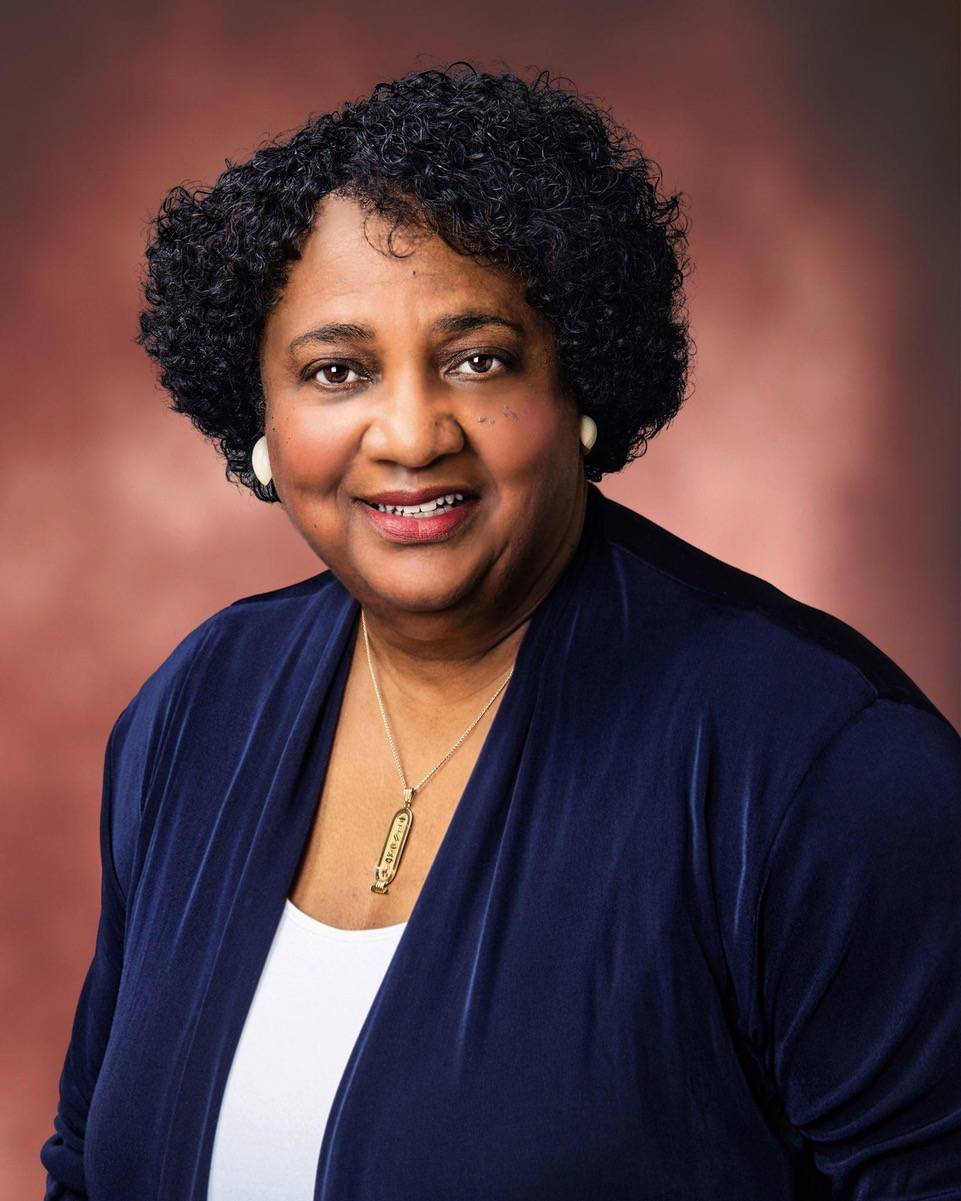
Black Caucus Chair Akilah Weber Pierson Applauds California Ban on Police Officers Wearing Face MasksSen. Akilah Weber Pierson (D-San Diego), chair of the California Legislative Black Caucus (CLBC) last week praised California’s new law limiting when law enforcement officers may wear face coverings, calling it a critical step toward accountability and public trust in policing. The measure, SB 627 -- also known as the No Secret Police Act -- was signed by Gov. Gavin Newsom last year and took effect on Jan. 1. It restricts law enforcement officers from wearing facial coverings while performing public duties, except under limited operational circumstances. The law applies to local, state, and federal agencies operating in California and requires departments to adopt and publicly post mask-use policies by July 1, 2026. Weber Pierson, a co-author of the legislation, said the law affirms the public’s right to transparency. “The public has a right to know who is enforcing the law in our communities,” Weber Pierson posted on Facebook on Jan. 14. Framing the issue as more than administrative oversight, Weber Pierson stated that visibility and accountability are essential to community well-being. “Transparency in policing is a public health issue,” she added, noting that communities cannot heal from historical trauma when officers wield authority anonymously. Despite support from civil rights advocates, the law is facing a federal court challenge. The U.S. Department of Justice is seeking to pause its application to federal agents, arguing that the measure interferes with federal law enforcement operations, particularly immigration enforcement. Federal attorneys told the court on Jan. 14 that the law improperly regulates federal officers and exposes them to increased safety risks. First Assistant U.S. Attorney Bill Essayli said officers are increasingly targeted through facial recognition and AI tools, claiming an “8,000% increase in threats” against Immigration and Customs Enforcement (ICE) agents. He also cited instances of agents being tracked to their homes and harassed. During the hearing, the judge raised concerns about potential unequal treatment if exemptions apply differently to state and federal officers. A decision on the request to pause enforcement is expected soon. Supporters of SB 627 argue the law advances civil rights by ensuring officers are identifiable during public interactions, while opponents contend it endangers officer safety and undermines federal enforcement authority -- setting the stage for a legal battle with broader implications for policing and oversight in California.
Thursday, 22 Jan 2026
Thursday, 22 January 2026

Assemblymember Jackson’s AB 422 Raises the Bar for Civic Engagement in California Schools

Statewide — On Jan. 1, Assembly Bill (AB) 422 — legislation authored by Assemblymember Corey Jackson (D–Moreno Valley) – takes effect.

Signed by Gov. Gavin Newsom in October, the bill updates the criteria for the State Seal of Civic Engagement (SSCE), an official recognition awarded to high school students who demonstrate exceptional achievement in civics education and civic participation.

Jackson told California Black Media (CBM) that the bill requires the Superintendent of Public Instruction to recommend –and the State Board of Education (SBE) to adopt — updated criteria for awarding the SSCE. Under the legislation, students seeking the seal must demonstrate an understanding of the importance of preserving democracy, a free press, free access to libraries, and other vital democratic institutions.

“Expanding the democracy criteria for the State Seal of Civic Engagement is crucial for fostering informed, active, and responsible citizens,” Jackson, a member of the California Legislative Black Caucus (CLBC), stated.

“Comprehensive democracy education empowers students with the knowledge and skills necessary to understand their rights and responsibilities in a democratic society and combat misinformation,” he continued.

By Jan. 1, 2027, the Superintendent of Public Instruction must propose updated SSCE criteria to the SBE, which must then act on those recommendations by Jan. 1, 2028. Participation in the SSCE program by school districts is voluntary.

According to the California Department of Education (CDE), award recipients must also demonstrate active participation in community projects, problem-solving, reflection, and civic-mindedness. The gold seal is affixed to students’ transcripts, diplomas, or certificates of completion.

A core pillar of the SSCE is accessibility for all students, regardless of background, community, or lived experience. The program takes into consideration how local educational agencies (LEAs) can support California’s most underserved students.

Because civic engagement can look different from one community to another, the CDE encourages LEAs to collaborate with local and statewide organizations to develop local criteria and design and implement impactful civic engagement programs.

Participation in the SSCE program has been modest but “effectively growing,” Jackson said. According to the Department of Education (DOE), during the 2020–21 school year, 103 schools in 28 school districts participated, and 5,359 seals were issued. By the 2023–24 school year, participation increased to 345 schools in 110 school districts, with 15,627 seals awarded.

“(AB 422) moves us closer to a California that invests in our young people, strengthens support for families, and safeguards the future of our democracy,” Jackson stated.

The bill passed both the Assembly and the Senate with unanimous support. In the Assembly, it passed 79–0 and 80–0 in separate votes, and in the Senate, it was approved 40-0.

According to the UCLA Bunche Center, data show that Black students in California are actively engaged in civic life, with high participation in social and political activism, including protests.

California Secretary of State Shirley N. Weber also underscored the importance of early civic engagement, noting that when high school and college students participate in civic activities, it leads to “lifelong civic involvement and it strengthens our democracy.”

Since September 2016, nearly 1.4 million students ages 16 or 17 have preregistered to vote, resulting in more than 1.1 million newly eligible voters, according to a report released in August by the DOE and the Secretary of State’s Outreach and Education team.

“California is proud to lead the nation in voter education efforts,” Weber stated. “With more than 23 million registered voters — representing nearly 85% of all eligible Californians — our state continues to set the national standard for civic participation.”

Jackson said he is grateful to every partner, advocate, and community that supported the bill.

“Together, we are building a stronger and more equitable future for all,” Jackson stated.

The Most Read

Black Caucus Chair Akilah Weber Pierson Applauds California Ban on Police Officers Wearing Face MasksSen. Akilah Weber Pierson (D-San Diego), chair of the California Legislative Black Caucus (CLBC) last week praised California’s new law limiting when law enforcement officers may wear face coverings, calling it a critical step toward accountability and public trust in policing. The measure, SB 627 -- also known as the No Secret Police Act -- was signed by Gov. Gavin Newsom last year and took effect on Jan. 1. It restricts law enforcement officers from wearing facial coverings while performing public duties, except under limited operational circumstances. The law applies to local, state, and federal agencies operating in California and requires departments to adopt and publicly post mask-use policies by July 1, 2026. Weber Pierson, a co-author of the legislation, said the law affirms the public’s right to transparency. “The public has a right to know who is enforcing the law in our communities,” Weber Pierson posted on Facebook on Jan. 14. Framing the issue as more than administrative oversight, Weber Pierson stated that visibility and accountability are essential to community well-being. “Transparency in policing is a public health issue,” she added, noting that communities cannot heal from historical trauma when officers wield authority anonymously. Despite support from civil rights advocates, the law is facing a federal court challenge. The U.S. Department of Justice is seeking to pause its application to federal agents, arguing that the measure interferes with federal law enforcement operations, particularly immigration enforcement. Federal attorneys told the court on Jan. 14 that the law improperly regulates federal officers and exposes them to increased safety risks. First Assistant U.S. Attorney Bill Essayli said officers are increasingly targeted through facial recognition and AI tools, claiming an “8,000% increase in threats” against Immigration and Customs Enforcement (ICE) agents. He also cited instances of agents being tracked to their homes and harassed. During the hearing, the judge raised concerns about potential unequal treatment if exemptions apply differently to state and federal officers. A decision on the request to pause enforcement is expected soon. Supporters of SB 627 argue the law advances civil rights by ensuring officers are identifiable during public interactions, while opponents contend it endangers officer safety and undermines federal enforcement authority -- setting the stage for a legal battle with broader implications for policing and oversight in California.

New Ballot Push: Initiative Would End Prop 50 Temporary Congressional Maps After 2026

Victory Community Church Invites Inland Valley Residents to Worship Service in Ontario

Commentary: How CalMatters Turned a Handbag Into a Political Firestorm and Exposed a Journalism Blind Spot

State of the Dream 2026 Finds Black America Facing a Recession Across Jobs, Housing, and Technology