California lawmakers are weighing new limits on artificial intelligence in health care, as concerns grow over whether technology is beginning to override doctors’ judgment in patient care.
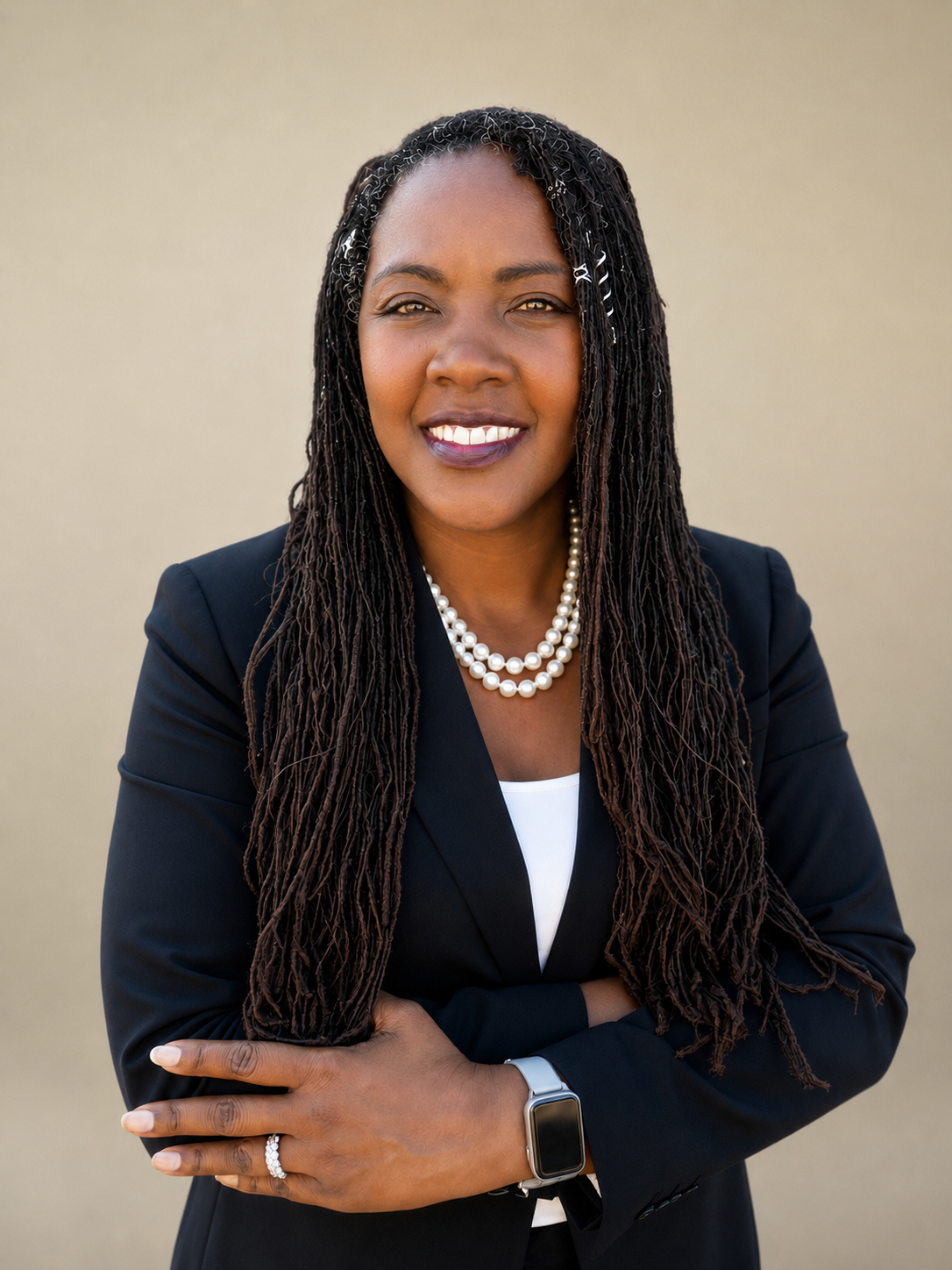
At a legislative hearing held April 7 and led by Assemblymember Mia Bonta (D-Alameda), chair of the Assembly Health Committee, lawmakers advanced Assembly Bill 2575. The bill, introduced by Assemblymember Liz Ortega (D-San Leandro), would require safeguards to ensure AI tools support, rather than replace, clinical decision-making.
The proposal comes as AI is rapidly being integrated into hospitals and clinics. AB 2575 would require health facilities to provide written disclosures about how AI tools function, including their risks and intended use. It also makes clear that health care workers can override AI recommendations, when necessary, based on their professional judgment.
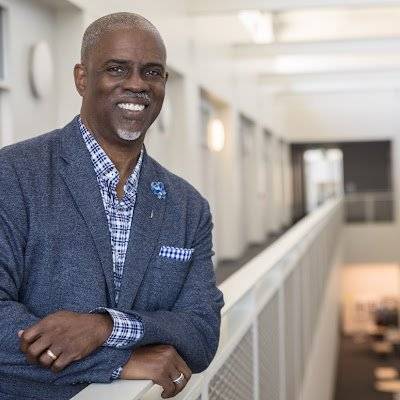
“In health care, artificial intelligence should only support clinical judgment, not replace it,” said Ortega to lawmakers.
The bill would also prohibit employers from retaliating against workers who override or rely on AI systems in good faith. In addition, it would block developers and health care providers from avoiding liability by blaming workers who fail to override flawed AI outputs.
Supporters say the measure addresses real-world risks tied to AI errors and bias. Cathy Kennedy, president of the California Nurses Association, said many workers are required to use AI tools without understanding how they work. “When employers expect nurses to rely on this technology that we cannot meaningfully evaluate, object to, or override, then it puts our patients’ safety at risk,” she said.
Labor advocates argue the bill is part of a broader push to ensure human expertise remains central in the workplace. They say AI should enhance care, not dictate it.
But business and medical groups pushed back, warning the bill could slow innovation and add new burdens. Alexis Rodriguez, speaking in opposition at the hearing on behalf of the California Chamber of Commerce, said the proposal could limit tools already improving care.
“AI is already helping clinicians detect sepsis sooner, improve the accuracy of cancer screenings, assist with screening patients’ medication orders, and more,” said Rodriguez.
Physician groups also raised concerns about the impact on workloads and legal risk. George Soares, representing the California Medical Association, said the bill may create unintended consequences. “This bill is overly broad and risks creating unintended consequences that could ultimately harm the very patients it seeks to protect.” said Soares.
_______
Article By: Bo Tefu, California Black Media