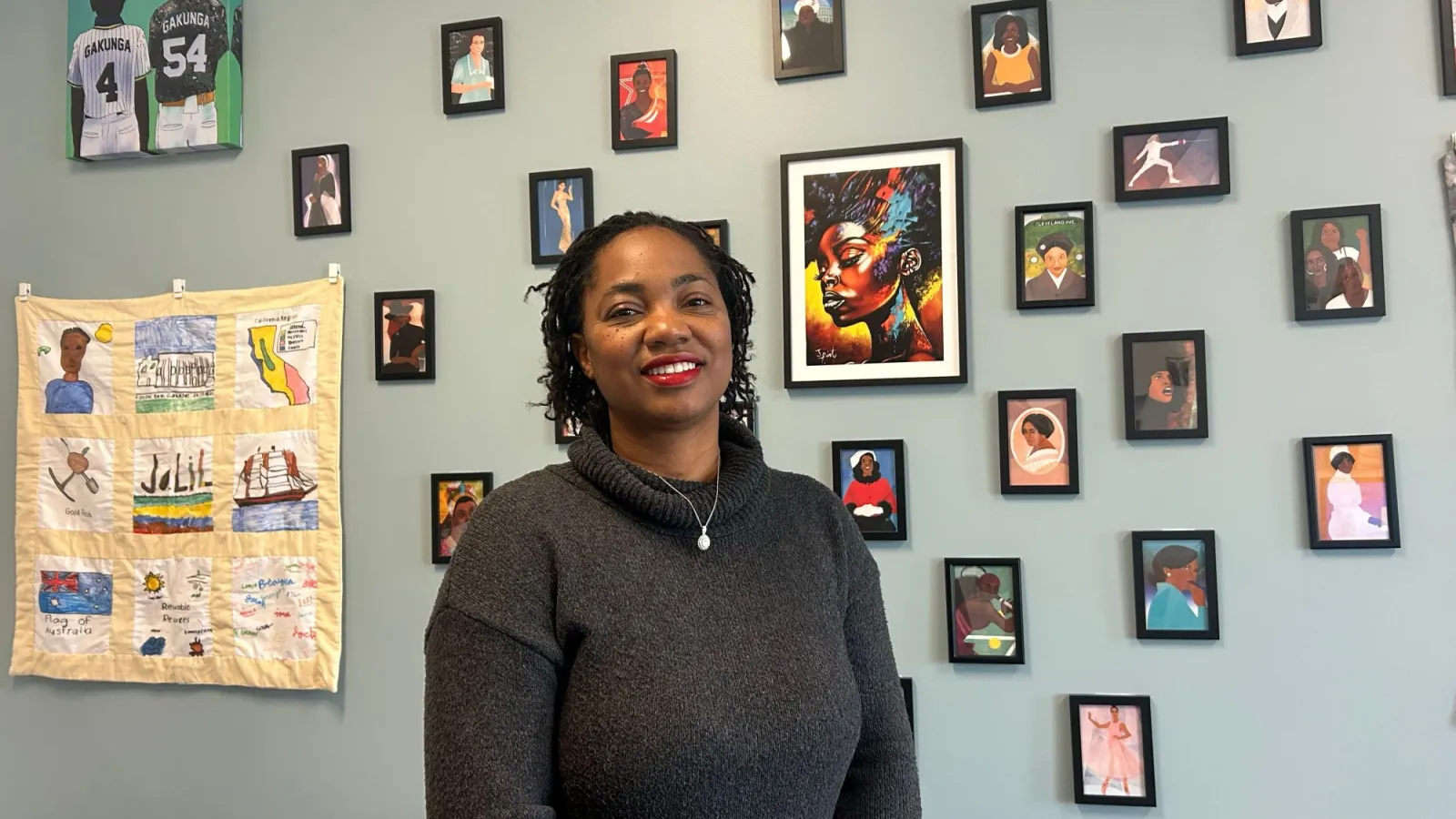

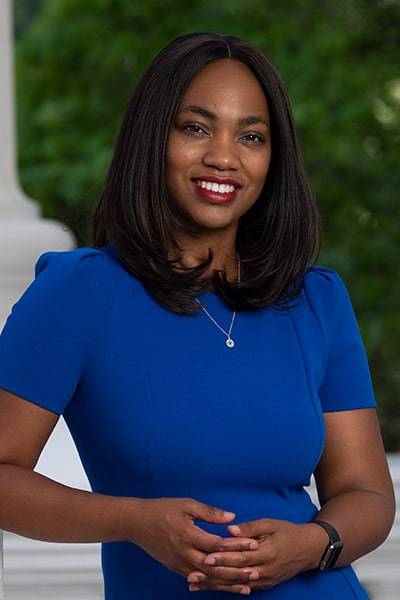
California’s Chair, Legislative Black Caucus, Sen. Akilah Weber Pierson
Sacramento, CA — In November 2024, Dr. Akilah Weber Pierson became the first African American south of Los Angeles County to be elected to the California State Senate. She is also board-certified obstetrician/gynecologist and founder of the Pediatric & Adolescent Gynecology Division at Rady Children’s Hospital-San Diego.
Weber Pierson currently serves as Chair of the California Legislative Black Caucus (CLBC), where she recently collaborated on a priority bill package entitled ‘Road to Repair’. The bills focus on actualizing recommendations in the California Reparations Task Force’s Final Report. The CLBC remains committed to securing compensation for the descendants of enslaved people in California for centuries of injustice and legally sanctioned discrimination.
California Black Media spoke with Weber Pierson about her successes and disappointments this year, along with her vision for 2026.
What stands out to you as your most important achievement this year so far and why?
This year, nothing stands out more than SB 437 and SB 518 making it to the Governor’s desk. These bills represent a historic step forward for Black Californians, as they set the foundation for what I hope will become the first state agency in the nation dedicated specifically to addressing the needs and challenges of descendants of American chattel slavery. This is about recognition, justice, and healing. For too long, the legacy of slavery has been ignored in policy. These bills are an acknowledgment that addressing that legacy requires intentional action and California is poised to lead the nation in this work.
What frustrated you the most this year?
The continuation of harmful federal policies. Much of what shapes our communities is decided in Washington. Unfortunately, too often, government leaders allow harmful policies to persist or fail to take the necessary steps to change them. It can feel discouraging, but I am grateful to serve in California, where we have the ability to push back against injustice. Here, we create bold state-level solutions and set examples that can inspire change nationally. Being a State Senator allows me to fight for my constituents and make real progress even when federal leadership falls short.
What inspired you the most this year?
What inspired me most this year was seeing how, even in one of the most difficult budget years we have faced, we were able to protect critical services for our communities. Despite the financial challenges, we did not have to cut the programs that so many Californians rely on. On top of that, I was proud to secure seed money in the state budget for a potential new Bureau for Descendants of American Slavery that will focus on the needs of descendants of American chattel slavery. This funding was not in the budget initially and getting it included showed me the power of persistence and collective advocacy.
What is one lesson you learned so far this year that will inform your decision-making next year?
One lesson I have learned this year is that what we often consider “normal” in our democracy is not guaranteed. The systems and protections we take for granted can be chipped away if we are not vigilant. Democracy is precious, and it only thrives when everyone participates and when leaders are committed to upholding its values.
My focus moving forward is on ensuring stronger oversight, exercising diligence, and advancing legislation that protects our institutions and keeps our democracy strong. We must ensure that all branches of government function the way they are intended, with checks and balances that safeguard the voices of the people, especially our most vulnerable. Protecting democracy requires constant effort.
In one word, what is the biggest challenge Black Californians are facing currently?
Inequality. When you look at the wealth gap between Black and White families in California, it’s clear there’s a deep economic divide. Black families earn about 63 cents for every dollar earned by White families. Housing is another major factor. Black Californians make up only about 6 to 7% of the state’s population but account for roughly a quarter of those experiencing homelessness. Then, there are the health disparities, driven by social determinants like housing, food access, and environmental conditions. All of this shows that inequality continues to shape the lives of Black Californians across every area of life.
What is the goal you want to achieve most in 2026?
In 2026, my goal is to build healthier communities in every sense. True health is not just going to the doctor, it’s safe housing, quality education, affordable living, access to healthcare, healthy food, clean air, and a commitment to addressing climate change. These social determinants shape our well-being in ways we often do not notice until problems arise, such as chronic illness, unsafe living conditions, wildfires, lack of healthy food, poor air quality, and limited access to care. My work will focus on advancing policies that strengthen these foundations so every family, regardless of income or zip code, can live, learn, grow, and thrive in a healthy community.