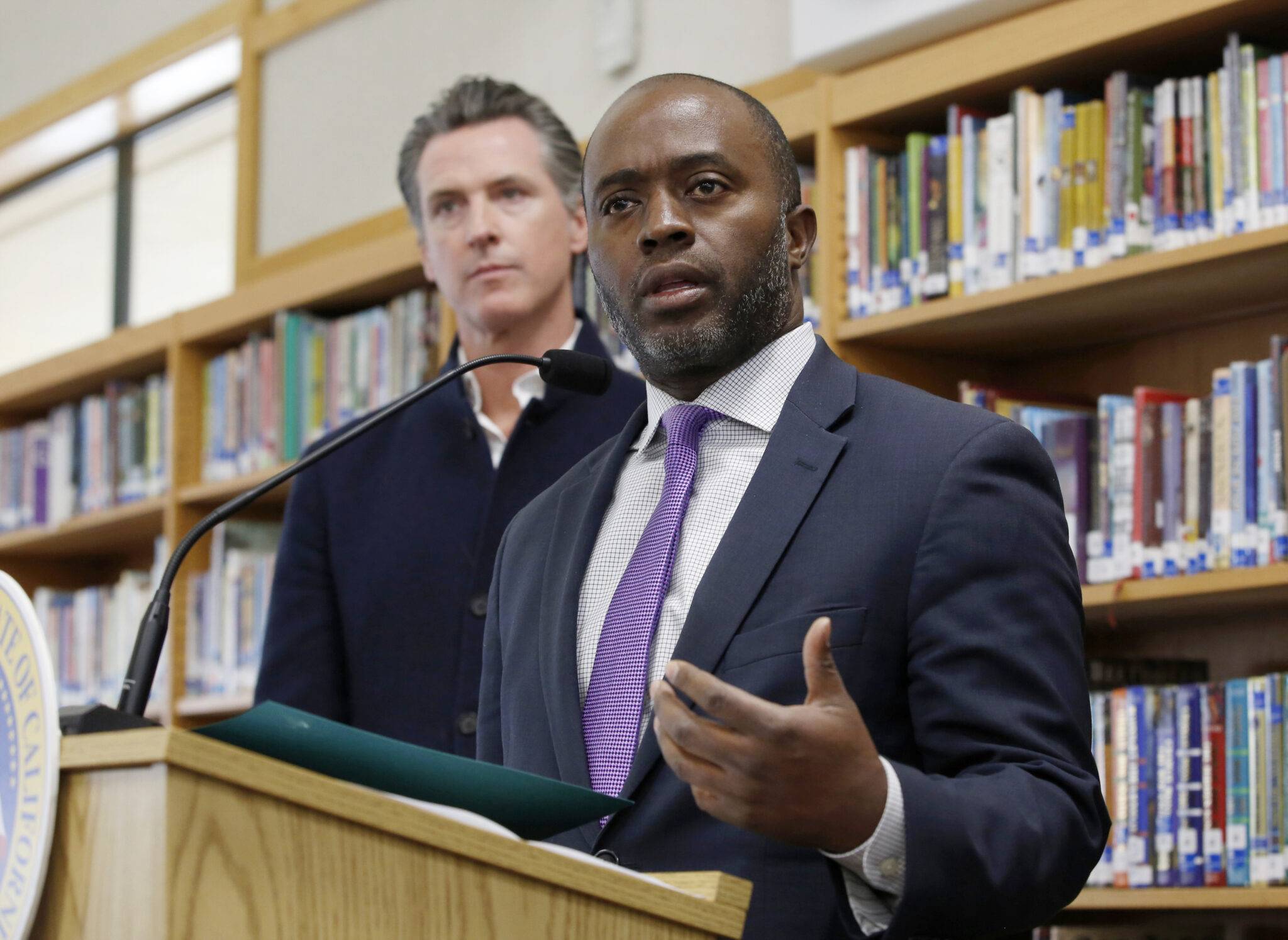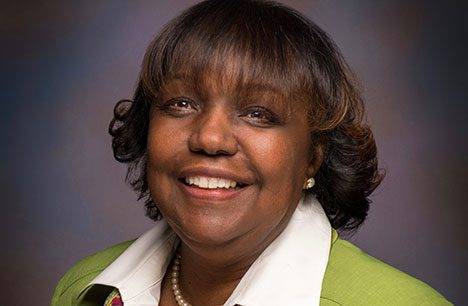
Black Caucus Chair Akilah Weber Pierson Applauds California Ban on Police Officers Wearing Face MasksSen. Akilah Weber Pierson (D-San Diego), chair of the California Legislative Black Caucus (CLBC) last week praised California’s new law limiting when law enforcement officers may wear face coverings, calling it a critical step toward accountability and public trust in policing. The measure, SB 627 -- also known as the No Secret Police Act -- was signed by Gov. Gavin Newsom last year and took effect on Jan. 1. It restricts law enforcement officers from wearing facial coverings while performing public duties, except under limited operational circumstances. The law applies to local, state, and federal agencies operating in California and requires departments to adopt and publicly post mask-use policies by July 1, 2026. Weber Pierson, a co-author of the legislation, said the law affirms the public’s right to transparency. “The public has a right to know who is enforcing the law in our communities,” Weber Pierson posted on Facebook on Jan. 14. Framing the issue as more than administrative oversight, Weber Pierson stated that visibility and accountability are essential to community well-being. “Transparency in policing is a public health issue,” she added, noting that communities cannot heal from historical trauma when officers wield authority anonymously. Despite support from civil rights advocates, the law is facing a federal court challenge. The U.S. Department of Justice is seeking to pause its application to federal agents, arguing that the measure interferes with federal law enforcement operations, particularly immigration enforcement. Federal attorneys told the court on Jan. 14 that the law improperly regulates federal officers and exposes them to increased safety risks. First Assistant U.S. Attorney Bill Essayli said officers are increasingly targeted through facial recognition and AI tools, claiming an “8,000% increase in threats” against Immigration and Customs Enforcement (ICE) agents. He also cited instances of agents being tracked to their homes and harassed. During the hearing, the judge raised concerns about potential unequal treatment if exemptions apply differently to state and federal officers. A decision on the request to pause enforcement is expected soon. Supporters of SB 627 argue the law advances civil rights by ensuring officers are identifiable during public interactions, while opponents contend it endangers officer safety and undermines federal enforcement authority -- setting the stage for a legal battle with broader implications for policing and oversight in California.
Thursday, 22 Jan 2026
Thursday, 22 January 2026

Pearls of Service Honors Scholars, Community Leaders at Annual Scholarship Event

One of the evening’s featured speakers was Taelen Cobb

Pomona, CA — Pearls of Service Inc., a Pomona-based nonprofit focused on supporting local youth and expandingacademic opportunity, celebrated its annual Community Connection and Scholarship event on Dec. 5, bringing students, mentors and supporters together both in person and over Zoom for an evening centered on achievement, encouragement and financial empowerment.

The hybrid gathering marked the organization’s seventh annual celebration and included scholarship presentations, student reflections and a lively raffle drawing.

Pearls of Service Inc. provides renewable scholarships, essay awards and developmental programs for youth in Pomona and surrounding communities.

According to the organization’s mission, read during the program, Pearls of Service exists “to make a positive impact onthe community that it serves by offering programs and services that will enrich the lives and well-being” of local residents.

Much of the event highlighted the impact of the nonprofit’s renewable scholarship, which awards

$4,000, distributed in increments of $1,000 per year to college students who maintain full-time enrollment and academic standing.

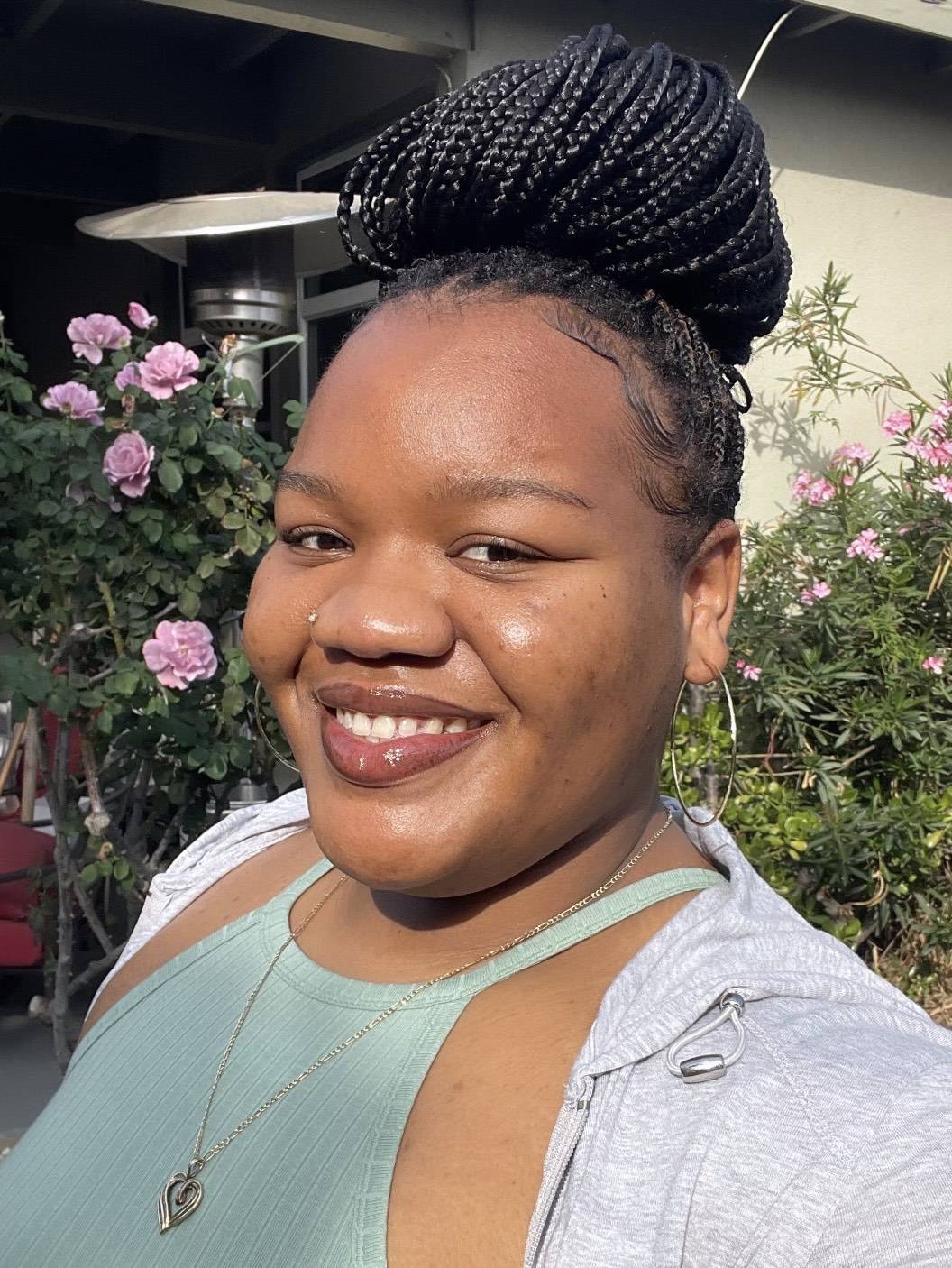
One of the evening’s featured speakers was Taelen Cobb, a Pomona High School alumna now pursuing a master’s degree in religion at Claremont Graduate University.

Cobb, who received the Pearls of Service scholarship as a high school debutante in 2021, credited the award with helping her transition into higher education, purchase essential technology, secure housing and pursue internships.

“This scholarship helped me get through [undergraduate studies],” Cobb said. “The first thing that I did was definitely[buy] a new laptop for undergrad. I needed something that would keep up with me, so thank you so much for the opportunity.”

Cobb also used the funding to support her first off-campus apartment and to participate in a competitive internship inWashington, D.C., working with Voice of America’s English-to-Africa division.

“It was a wonderful, wonderful internship,” she said, explaining that the experience inspired her to study abroad inGhana the following year. “I could have survived off of that scholarship alone during my time in Ghana.”

She encouraged students to expand their horizons and lean on community support systems.

“My mom has this saying, ‘You gotta go to grow.’ And that was it,” she said. “I was like, I need to go and grow.”
The Most Read

Black Caucus Chair Akilah Weber Pierson Applauds California Ban on Police Officers Wearing Face MasksSen. Akilah Weber Pierson (D-San Diego), chair of the California Legislative Black Caucus (CLBC) last week praised California’s new law limiting when law enforcement officers may wear face coverings, calling it a critical step toward accountability and public trust in policing. The measure, SB 627 -- also known as the No Secret Police Act -- was signed by Gov. Gavin Newsom last year and took effect on Jan. 1. It restricts law enforcement officers from wearing facial coverings while performing public duties, except under limited operational circumstances. The law applies to local, state, and federal agencies operating in California and requires departments to adopt and publicly post mask-use policies by July 1, 2026. Weber Pierson, a co-author of the legislation, said the law affirms the public’s right to transparency. “The public has a right to know who is enforcing the law in our communities,” Weber Pierson posted on Facebook on Jan. 14. Framing the issue as more than administrative oversight, Weber Pierson stated that visibility and accountability are essential to community well-being. “Transparency in policing is a public health issue,” she added, noting that communities cannot heal from historical trauma when officers wield authority anonymously. Despite support from civil rights advocates, the law is facing a federal court challenge. The U.S. Department of Justice is seeking to pause its application to federal agents, arguing that the measure interferes with federal law enforcement operations, particularly immigration enforcement. Federal attorneys told the court on Jan. 14 that the law improperly regulates federal officers and exposes them to increased safety risks. First Assistant U.S. Attorney Bill Essayli said officers are increasingly targeted through facial recognition and AI tools, claiming an “8,000% increase in threats” against Immigration and Customs Enforcement (ICE) agents. He also cited instances of agents being tracked to their homes and harassed. During the hearing, the judge raised concerns about potential unequal treatment if exemptions apply differently to state and federal officers. A decision on the request to pause enforcement is expected soon. Supporters of SB 627 argue the law advances civil rights by ensuring officers are identifiable during public interactions, while opponents contend it endangers officer safety and undermines federal enforcement authority -- setting the stage for a legal battle with broader implications for policing and oversight in California.

New Ballot Push: Initiative Would End Prop 50 Temporary Congressional Maps After 2026

Victory Community Church Invites Inland Valley Residents to Worship Service in Ontario

Commentary: How CalMatters Turned a Handbag Into a Political Firestorm and Exposed a Journalism Blind Spot

State of the Dream 2026 Finds Black America Facing a Recession Across Jobs, Housing, and Technology