Residents across San Bernardino and Riverside counties are being urged to remain indoors, drink plenty of water and check on vulnerable neighbors as dangerously hot conditions settle over the Inland Empire.
The National Weather Service has issued an Extreme Heat Warning for the San Bernardino and Riverside County valleys through 8 p.m. Monday, July 27. High temperatures could range from the upper 90s to 108 degrees, with overnight lows remaining in the lower to mid-70s in some communities.
Ontario is expected to reach approximately 99 degrees Thursday and 100 degrees Friday and Saturday. Other Inland Empire communities may experience even higher temperatures during the prolonged heat event.
The combination of extreme daytime heat and limited overnight relief can place additional stress on the body, increasing the possibility of heat exhaustion and heat stroke. Older adults, young children, people with chronic medical conditions, outdoor workers, unhoused residents and households without dependable air conditioning face some of the greatest risks.
Officials are asking residents to check on family members, friends and neighbors—particularly seniors and people who live alone—throughout the heat wave.
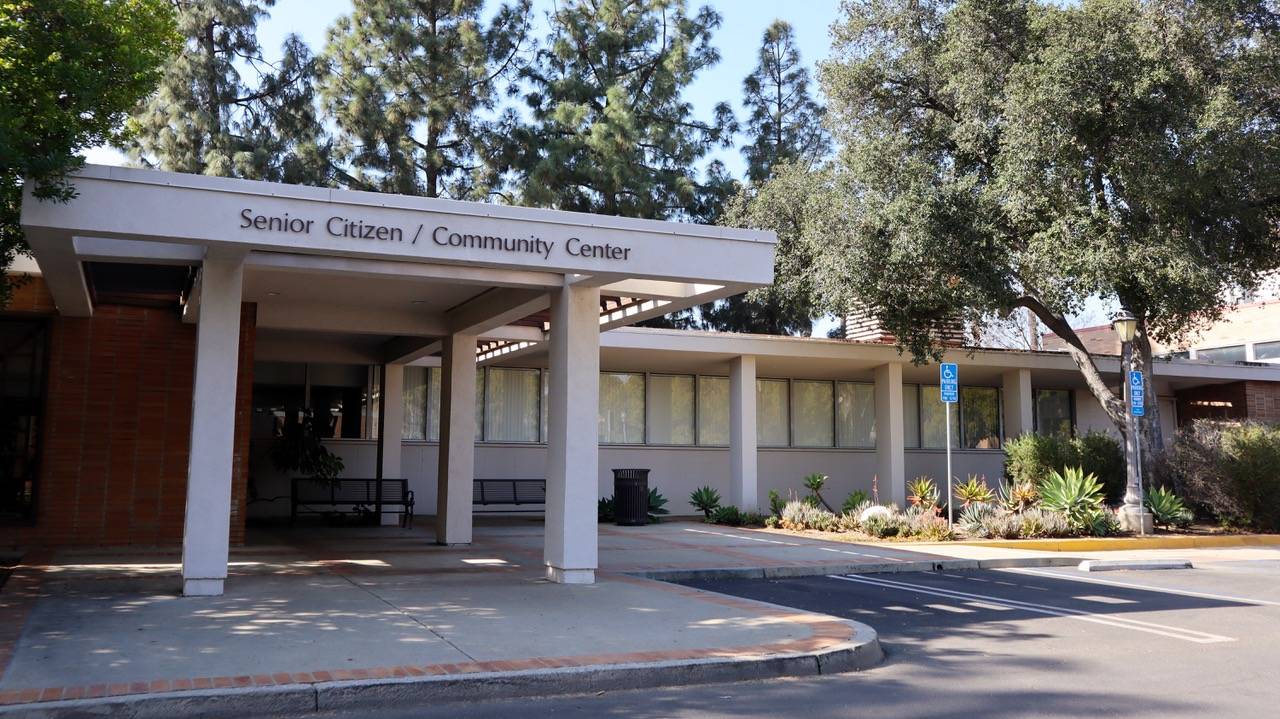
Residents without access to air conditioning are encouraged to use local libraries, community centers and designated cooling facilities.
San Bernardino County residents can locate heat-safety information and available community resources through Prepare San Bernardino County. Residents in either county may also call 211 for assistance locating the closest open cooling facility.
Public libraries, shopping centers and other air-conditioned public buildings can also provide temporary relief when designated centers are not nearby.
Health officials recommend taking several precautions:
- Stay indoors between 10 a.m. and 3 p.m., when the sun’s rays are strongest.
- Drink two to four glasses of water every hour during excessive heat, particularly while working or exercising outdoors.
- Avoid alcohol, which can contribute to dehydration and increase the risk of heat-related illness.
- Replace salt and minerals lost through sweating with low-sugar fruit juices or sports drinks during outdoor work or exercise. People who must limit salt for medical reasons should consult a healthcare professional.
- Reduce physical activity and schedule outdoor work or exercise during the cooler morning or evening hours.
- Wear lightweight, loose-fitting, light-colored clothing and a wide-brimmed hat.
- Use sunscreen with a sun protection factor of at least 15 when going outside.
- Keep pets indoors whenever possible and provide constant access to water and shade. Never leave a child or pet inside a parked vehicle, even with the windows cracked.
Anyone who must work outdoors should take frequent breaks in a shaded or air-conditioned location. Employers should make water, rest and shade readily available and monitor workers for symptoms of heat illness.
Signs of heat exhaustion can include heavy sweating, weakness, dizziness, headache, nausea, muscle cramps or fainting. A person experiencing those symptoms should be moved to a cooler location, given water and monitored closely.
Confusion, loss of consciousness, an extremely high body temperature or a rapid pulse may indicate heat stroke, a potentially fatal medical emergency. Residents should call 911 immediately if heat stroke is suspected.
Although heat affects everyone, its risks are not distributed equally.
Residents in neighborhoods with fewer trees and less shade may experience higher temperatures than those in greener communities. Families already struggling with high utility bills may also hesitate to operate air conditioning for extended periods, even when indoor temperatures become unsafe.
Outdoor workers—including construction crews, landscapers, warehouse employees and delivery drivers—may face prolonged heat exposure while trying to maintain their incomes. Seniors, people with disabilities and residents without transportation can encounter additional barriers when attempting to reach cooling centers.
Community members are encouraged to make heat safety a shared responsibility by offering rides to cooling facilities, delivering bottled water and checking on residents who may be isolated.
The heat wave also comes as California increases public awareness around wildfire prevention. Hotter temperatures and increasingly dry vegetation can allow a single spark to become a rapidly spreading fire.
Gov. Gavin Newsom announced the state’s 2026 “One Less Spark” campaign July 15. The initiative is intended to educate Californians about preventing fires through safer vehicle operation, equipment use and outdoor activities.
State officials estimate that human activity causes approximately 95% of California wildfires.
“One less spark means one less wildfire, and every Californian can play a role in preventing them,” Newsom said. “We’re asking all residents to take prevention steps seriously. Combined with the strongest wildfire readiness and response system in the country, this is how we keep our communities safe.”
The message is particularly relevant across the Inland Empire, where urban neighborhoods border foothills, open land and dry vegetation. Fires that begin along highways, near homes or in undeveloped areas can spread quickly during periods of extreme heat, low humidity and wind.
CAL FIRE recommends mowing lawns before 10 a.m., when temperatures are lower; securing trailer chains so they do not drag and create sparks; and avoiding parking vehicles on dry grass. Residents should also use power tools carefully around dry vegetation and obtain required permits before burning debris.
“CAL FIRE is committed to helping Californians understand that one less spark means one less wildfire,” CAL FIRE Director and Fire Chief Joe Tyler said. “As a state, we must work together to reduce the number of wildfires started each year by changing behaviors, increasing awareness and taking simple actions that prevent ignitions.”
The campaign includes advertising on digital platforms, radio stations and billboards in wildfire-prone areas throughout Northern and Southern California. CAL FIRE has also created a public toolkit that local governments, fire departments and community organizations can use to promote prevention.
According to the governor’s office, California has accelerated more than 400 wildfire-prevention projects covering nearly 100,000 acres. The state has also made more than $100 million available this year for wildfire-prevention grants, including community-led and forest-resilience projects.
CAL FIRE’s workforce has grown from 5,829 positions in 2019 to more than 11,400, state officials said. The agency has also expanded its use of drones, satellite monitoring, advanced fire mapping and artificial intelligence-powered detection systems.
As the Inland Empire moves through several days of dangerous heat, officials say prevention begins with simple actions: stay hydrated, seek air conditioning, watch for signs of heat illness, check on vulnerable neighbors and avoid anything that could create a spark near dry vegetation.