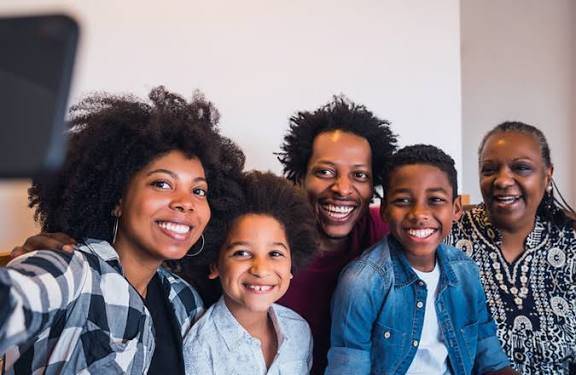
Upland, CA — April is recognized as Autism Awareness Month, but perhaps it is time we shift the conversation from awareness to something deeper, acceptance. Awareness simply acknowledges that autism exists. Acceptance, however, invites us to understand, embrace, and create space for individuals on the autism spectrum to live fully, authentically, and without judgment. It calls us to move beyond labels and lean into compassion. The question I would like to ask is what do you really know about autism? Autism, formally known as Autism Spectrum Disorder (ASD), is a developmental condition that affects how a person communicates, interacts, learns, and experiences the world. It is called a “spectrum” because it presents differently in every individual. No two people with autism are exactly alike. Some may require significant support in their daily lives, while others live independently and thrive in their careers and communities.
As a society, we have come a long way in recognizing autism, and the data reflects that progress. According to the Centers for Disease Control and Prevention (CDC), approximately 1 in 31 children in the United States is diagnosed with autism. This is a significant increase from previous decades, not necessarily because autism is new, but because we are getting better at identifying it, diagnosing it, and talking about it. In adults, the numbers are also notable, with an estimated 1 in 45 adults in the U.S. living with autism. These statistics remind us that autism is not rare, it is part of our communities, our workplaces, our schools, and even our families. Autism shows up in many ways. Some common traits may include challenges with social communication, such as difficulty maintaining eye contact, understanding social cues, or engaging in back-and-forth conversations. Others may display repetitive behaviors, deep focus on specific interests, or sensitivity to sensory experiences like sound, light, or touch. But here is what is equally important to understand: autism is not a deficit it is a difference.
Many individuals on the spectrum possess incredible strengths, including attention to detail, strong memory, creativity, honesty, and unique problem-solving abilities. When given the right support and environment, these strengths can flourish in remarkable ways. This is where acceptance becomes so critical. Acceptance means recognizing that people with autism do not need to be fixed. They need to be supported, respected, and included. It means designing classrooms that accommodate different learning styles, workplaces that value neurodiversity, and communities that celebrate differences instead of fearing them. We have come a long way, but we still have a little ways to go.
Over the years, increased advocacy, research, and education have helped reduce stigma. More families are seeking early intervention. Schools are becoming more inclusive. Employers are beginning to understand the value of diverse thinking. Conversations around mental and developmental health are no longer hidden in silence, they are being brought into the light. Yet, there is still work to be done. Too many families still struggle to access resources. Too many individuals on the spectrum face misunderstanding or exclusion. Too many voices go unheard. That is why we must continue to lift leaders and advocates who are doing the work to move us forward. One such leader is Areva Martin, a nationally recognized attorney, author, and autism advocate. Through her nonprofit, Special Needs Network, she has dedicated her life to supporting children and families affected by autism and other developmental disabilities.
Special Needs Network has been instrumental in providing critical services, education, and advocacy, particularly for underserved communities that have historically lacked access to proper diagnosis and care. Their work reminds us that acceptance must also include equity, ensuring that all families, regardless of background, have the opportunity to receive support and thrive. So again, I will ask, what do you know about autism? Now is a great time to learn and help our society go from awareness to acceptance.
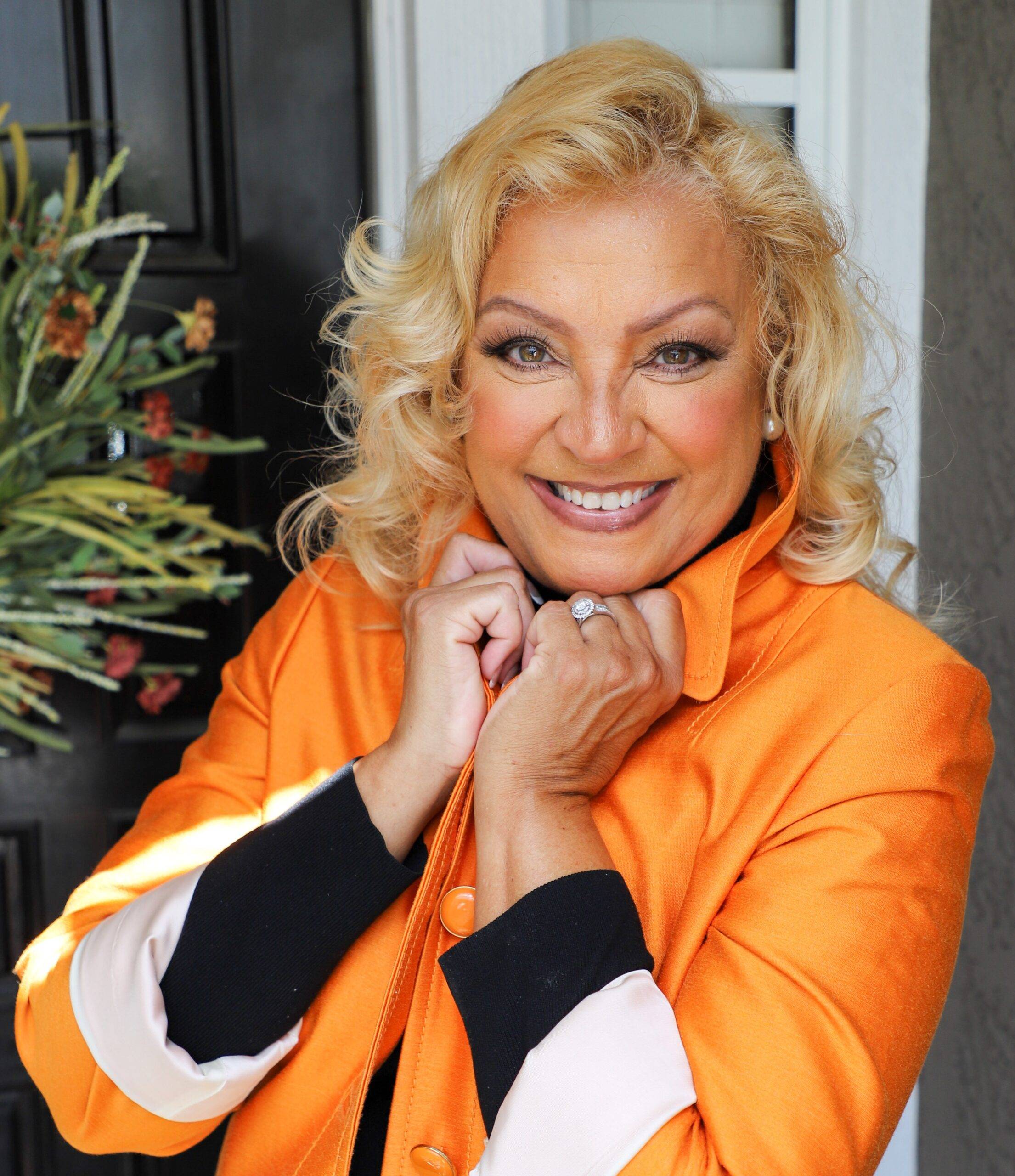
Wendy is the Purpose Partner helping women go from Crossroads to Confidence, from Shaken to Unshakable, from Purpose to Power. To learn more visit WendyGladney.com and ForgivingForLiving.org.