CDPH: Super Flu Cases on the Rise in California California health officials have confirmed the spread of a mutated influenza strain known as the “super flu,” as flu-related hospitalizations across the state reach their highest level of the season. The California Department of Public Health (CDPH) said Jan.15 that the strain, a mutated form of seasonal influenza A known as H3N2 subclade K, is present in the state. The announcement comes as the department confirmed a second pediatric death linked to the flu since the start of the current respiratory virus season. State data show flu activity has eased slightly from a late-December peak. As of Jan. 3, about 15% of flu tests statewide were positive, down from 17% recorded through Dec. 27. Despite the modest decline, hospitalizations have continued to rise. Flu-related hospital admissions reached a season high of approximately 3.8 per 100,000 people statewide as of Jan. 3, according to CDPH figures. Public health officials continue to emphasize vaccination as the most effective way to reduce the risk of severe illness, even when circulating strains differ from those targeted by the vaccine. “Current seasonal flu vaccines remain effective at reducing severe illness and hospitalization, including the currently circulating viruses,” said Dr. Erica Pan, CDPH director and state public health officer, said in a statement. Pan added that “it is important for families to know that flu vaccines, tests, and treatments remain widely available for all Californians and that it is not too late to get a flu vaccine.” Health officials urge residents to seek medical care if flu symptoms worsen and to take preventive measures as flu season continues across California. Track statewide and regional weekly respiratory virus data
Black Caucus Chair Akilah Weber Pierson Applauds California Ban on Police Officers Wearing Face MasksSen. Akilah Weber Pierson (D-San Diego), chair of the California Legislative Black Caucus (CLBC) last week praised California’s new law limiting when law enforcement officers may wear face coverings, calling it a critical step toward accountability and public trust in policing. The measure, SB 627 -- also known as the No Secret Police Act -- was signed by Gov. Gavin Newsom last year and took effect on Jan. 1. It restricts law enforcement officers from wearing facial coverings while performing public duties, except under limited operational circumstances. The law applies to local, state, and federal agencies operating in California and requires departments to adopt and publicly post mask-use policies by July 1, 2026. Weber Pierson, a co-author of the legislation, said the law affirms the public’s right to transparency. “The public has a right to know who is enforcing the law in our communities,” Weber Pierson posted on Facebook on Jan. 14. Framing the issue as more than administrative oversight, Weber Pierson stated that visibility and accountability are essential to community well-being. “Transparency in policing is a public health issue,” she added, noting that communities cannot heal from historical trauma when officers wield authority anonymously. Despite support from civil rights advocates, the law is facing a federal court challenge. The U.S. Department of Justice is seeking to pause its application to federal agents, arguing that the measure interferes with federal law enforcement operations, particularly immigration enforcement. Federal attorneys told the court on Jan. 14 that the law improperly regulates federal officers and exposes them to increased safety risks. First Assistant U.S. Attorney Bill Essayli said officers are increasingly targeted through facial recognition and AI tools, claiming an “8,000% increase in threats” against Immigration and Customs Enforcement (ICE) agents. He also cited instances of agents being tracked to their homes and harassed. During the hearing, the judge raised concerns about potential unequal treatment if exemptions apply differently to state and federal officers. A decision on the request to pause enforcement is expected soon. Supporters of SB 627 argue the law advances civil rights by ensuring officers are identifiable during public interactions, while opponents contend it endangers officer safety and undermines federal enforcement authority -- setting the stage for a legal battle with broader implications for policing and oversight in California.
Thursday, 22 Jan 2026
Thursday, 22 January 2026

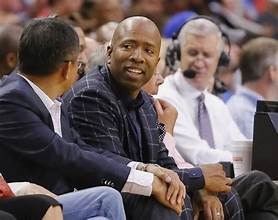
Kenny Smith to Own a Team, Help Develop Young NBL Players Aiming to Reach the NBA Draft

New York (AP) — Kenny Smith will own an expansion team in Australia’s National Basketball League and will help recruit and develop players for the league that has sent LaMelo Ball and others to the NBA in recent years.

The former NBA player and TNT studio analyst was appointed Thursday as head of the league’s Next Stars’ player initiatives for North America, hoping to boost the program that aims to be a springboard to the NBA for young players.

Ball came through the NBL before he was the No. 3 pick of the 2020 draft by the Charlotte Hornets and the Rookie of the Year the following season. Oklahoma City guard Josh Giddey is another product of the NBL, which has had eight players drafted by NBA teams since the inception of the Next Stars program in 2018-19.

“Legitimate pathways to the NBA are evolving, and the NBL has a proven track record of getting players drafted,” Smith said. “The NBL identified a key role for me to mentor and support young talent and equip them with the tools to compete at a professional level with a view to making the leap into the NBA.”

Alex Sarr, a center from France, is expected to emerge from the NBL as a top pick in this June’s NBA draft.

Besides competition in the league, players in the Next Stars program are provided with financial planning guidance and media training.

Smith’s expansion team will be announced in the near future. There are currently 10 teams in Australia and New Zealand.


The Most Read

CDPH: Super Flu Cases on the Rise in California California health officials have confirmed the spread of a mutated influenza strain known as the “super flu,” as flu-related hospitalizations across the state reach their highest level of the season. The California Department of Public Health (CDPH) said Jan.15 that the strain, a mutated form of seasonal influenza A known as H3N2 subclade K, is present in the state. The announcement comes as the department confirmed a second pediatric death linked to the flu since the start of the current respiratory virus season. State data show flu activity has eased slightly from a late-December peak. As of Jan. 3, about 15% of flu tests statewide were positive, down from 17% recorded through Dec. 27. Despite the modest decline, hospitalizations have continued to rise. Flu-related hospital admissions reached a season high of approximately 3.8 per 100,000 people statewide as of Jan. 3, according to CDPH figures. Public health officials continue to emphasize vaccination as the most effective way to reduce the risk of severe illness, even when circulating strains differ from those targeted by the vaccine. “Current seasonal flu vaccines remain effective at reducing severe illness and hospitalization, including the currently circulating viruses,” said Dr. Erica Pan, CDPH director and state public health officer, said in a statement. Pan added that “it is important for families to know that flu vaccines, tests, and treatments remain widely available for all Californians and that it is not too late to get a flu vaccine.” Health officials urge residents to seek medical care if flu symptoms worsen and to take preventive measures as flu season continues across California. Track statewide and regional weekly respiratory virus data

Black Caucus Chair Akilah Weber Pierson Applauds California Ban on Police Officers Wearing Face MasksSen. Akilah Weber Pierson (D-San Diego), chair of the California Legislative Black Caucus (CLBC) last week praised California’s new law limiting when law enforcement officers may wear face coverings, calling it a critical step toward accountability and public trust in policing. The measure, SB 627 -- also known as the No Secret Police Act -- was signed by Gov. Gavin Newsom last year and took effect on Jan. 1. It restricts law enforcement officers from wearing facial coverings while performing public duties, except under limited operational circumstances. The law applies to local, state, and federal agencies operating in California and requires departments to adopt and publicly post mask-use policies by July 1, 2026. Weber Pierson, a co-author of the legislation, said the law affirms the public’s right to transparency. “The public has a right to know who is enforcing the law in our communities,” Weber Pierson posted on Facebook on Jan. 14. Framing the issue as more than administrative oversight, Weber Pierson stated that visibility and accountability are essential to community well-being. “Transparency in policing is a public health issue,” she added, noting that communities cannot heal from historical trauma when officers wield authority anonymously. Despite support from civil rights advocates, the law is facing a federal court challenge. The U.S. Department of Justice is seeking to pause its application to federal agents, arguing that the measure interferes with federal law enforcement operations, particularly immigration enforcement. Federal attorneys told the court on Jan. 14 that the law improperly regulates federal officers and exposes them to increased safety risks. First Assistant U.S. Attorney Bill Essayli said officers are increasingly targeted through facial recognition and AI tools, claiming an “8,000% increase in threats” against Immigration and Customs Enforcement (ICE) agents. He also cited instances of agents being tracked to their homes and harassed. During the hearing, the judge raised concerns about potential unequal treatment if exemptions apply differently to state and federal officers. A decision on the request to pause enforcement is expected soon. Supporters of SB 627 argue the law advances civil rights by ensuring officers are identifiable during public interactions, while opponents contend it endangers officer safety and undermines federal enforcement authority -- setting the stage for a legal battle with broader implications for policing and oversight in California.

New Ballot Push: Initiative Would End Prop 50 Temporary Congressional Maps After 2026

Victory Community Church Invites Inland Valley Residents to Worship Service in Ontario

Commentary: How CalMatters Turned a Handbag Into a Political Firestorm and Exposed a Journalism Blind Spot