Dear Friend,
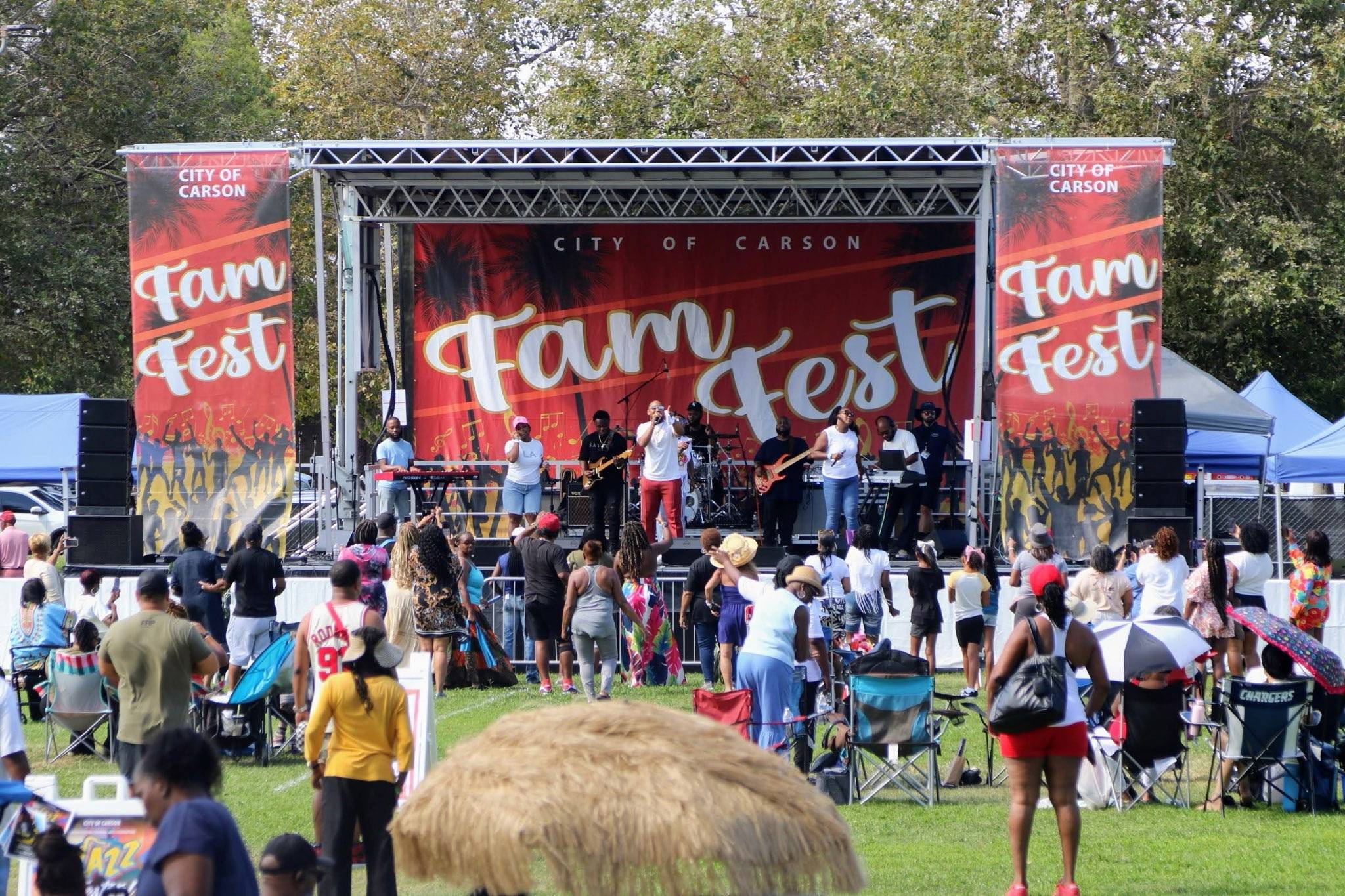
On October 17, 2026, in just over seven weeks, more than 500 parents will descend upon Cal State San Bernardino’s Santos Manuel Student Union, connecting and bonding with parents, educators and community members from across the Inland Empire. The fourth annual Black Parent Summit is designed to bring together some of the brightest minds with one goal: expanding our understanding of how we support Black students.
As we count down to the Summit, I want to give readers a preview of some of the ideas and conversations to come. This week, we begin with something that has long been at the heart of the Black community: family and the role of our village.
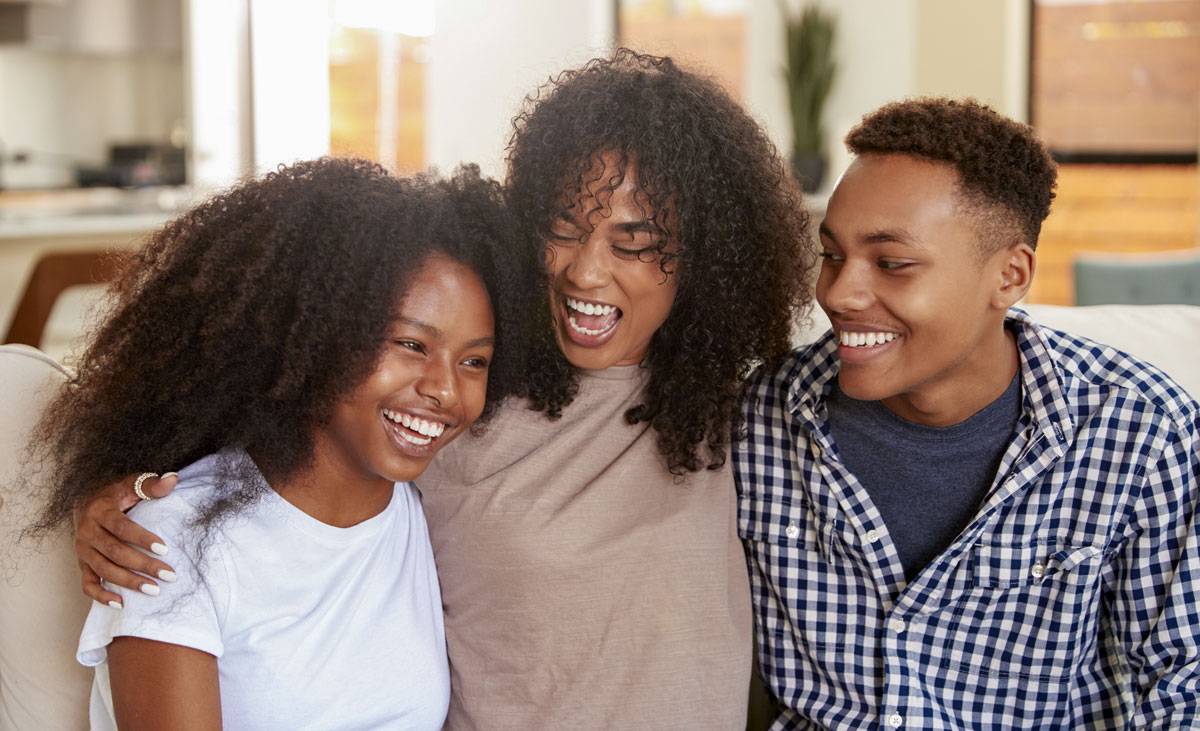
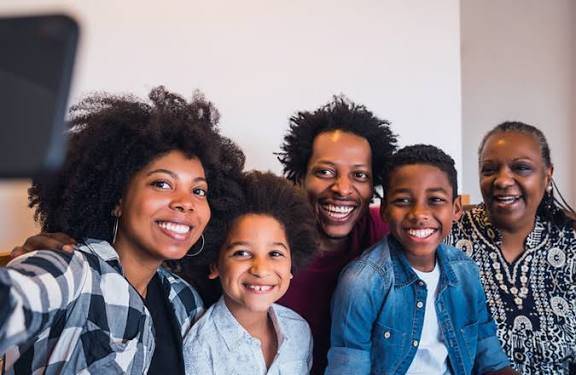
When it comes to Black families, our understanding of family is often bigger than a household. It is not just about the four walls we grew up in or the traditional nuclear family. Grandparents, aunties, uncles, cousins, godparents and elders may all play significant roles. Caregivers become “other mothers,” and people with no biological relationship at all can eventually become simply family.
In many Black families, being an auntie, cousin, godparent or elder means much more than attending birthdays and holidays. You may be the one at back-to-school night. You may help teach or correct a child, provide transportation, advocate when something isn’t right, celebrate accomplishments or sometimes even help raise the children. Our village shows up.
A 2026 Pew Research Center study found that Black Americans continue to have strong connections with extended family. Nearly half of Black adults with a living grandparent said they were very or extremely close to a grandparent. Black adults were also about twice as likely as other adults to report that same closeness with cousins and aunts or uncles. Even more interesting, 77% said they have someone they consider family who isn’t related to them by birth, marriage or law.
Researchers refer to some of these relationships as “fictive kinship.” For many of us, we just refer to them as family. It’s the person who isn’t really your aunt, but you’ve called her Auntie your entire life. It’s the godparent, church mother, family friend or “other mother” who has been there so long that explaining how you’re related almost doesn’t matter.
This is rooted in something much deeper than what we typically see recorded in history books. It is also about being part of the African diaspora. Researchers have traced these broad family networks in part to African kinship traditions, which were disrupted and reshaped through slavery, but continued through networks of care, family and community.
I think Black people understand the village, even when we’ve never been to one, because the village is something passed down from generation to generation. It’s an inheritance far richer than anything we can cash at a bank. These relationships make deposits throughout our lifetime. They give us a sense of belonging and remind us that we’re part of something bigger than ourselves. We may call it “for the people,” “for the community” or, today, “for the culture,” but the idea of connection is still there.
During my travels to Ghana and the Ivory Coast, I noticed younger adults would often refer to me as “Auntie” or “Mom.” Now, I did think I was a little too young to be everybody’s auntie or mom, especially when some weren’t much younger than my own siblings. But there was something warm about it. It was a way of saying, you belong here.
I see the same thing at home. I care for my uncle, who is now an elder, and everywhere we go I refer to him as “Uncle.” Before long, other people start calling him Uncle too. They don’t know our family tree and they don’t need to. It’s just something we do. It’s a small way of saying, I see you, you see me, and we are connected.
Tips from a Therapist
Let families identify their village. Don’t assume that a child’s village begins and ends with their parents. If a school or organization wants to support a child, allow the family to identify the people who make up their support network. Ask who is important, who shows up and who the child trusts. Understanding the village helps us better understand the child.
Reflect on the deposits your village has made in you, and pay it forward. Look around at the people who helped raise you. If they deposited lessons, values, encouragement, correction, stories and love into your future, draw strength from those relationships, but continue making deposits into your family and your village. You and the next generation may need to draw from those investments down the road.
Remember our elders. Elders play a significant role in our families and communities. They carry stories, history and wisdom that can disappear if we don’t take the time to listen. If we are fortunate, one day we will become the elders. Treat those who came before us with the love, dignity and care that we hope to experience one day.
One wellness step we can all take is to reflect on and pour into our village. It is an act of service, love and self-preservation. To that end, whatever your role, think about who is in your village, who has made deposits into your life and whose life you are depositing into.
For more information or to register for the annual Black Parent Summit, visit BlackParentSummit.org.
Until next time, stay encouraged, remain committed, and be well.
_____
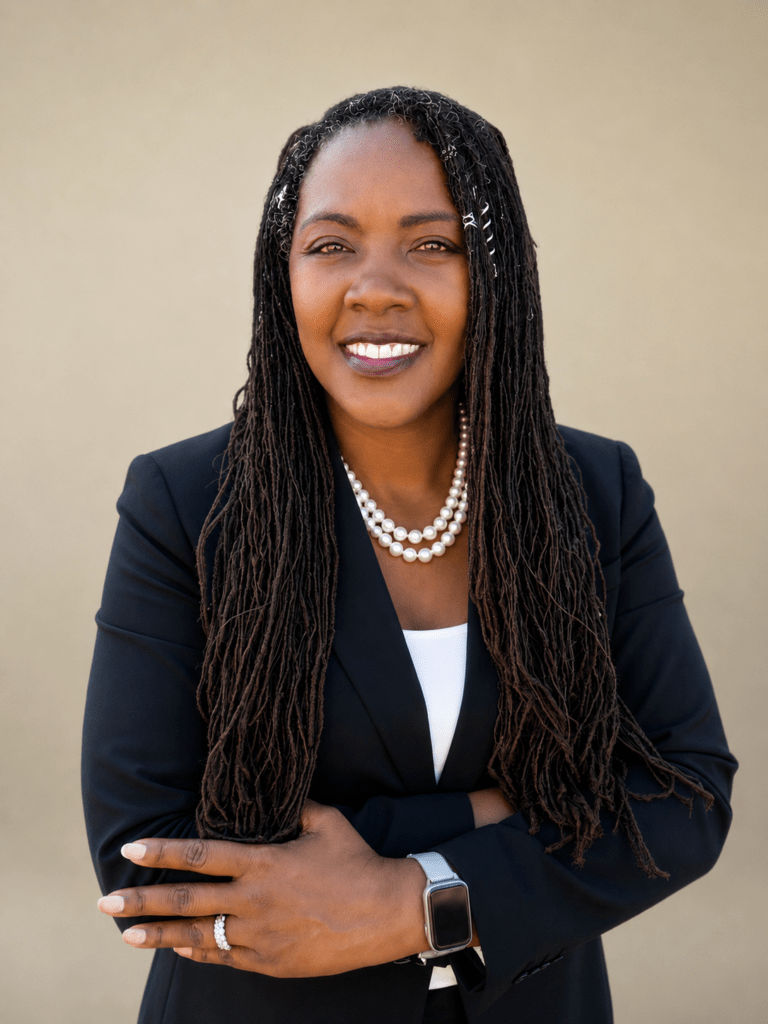
Article By: Dr. April Clay, CEO, Clay Counseling Solutions; CPO, Clay Counseling Foundation