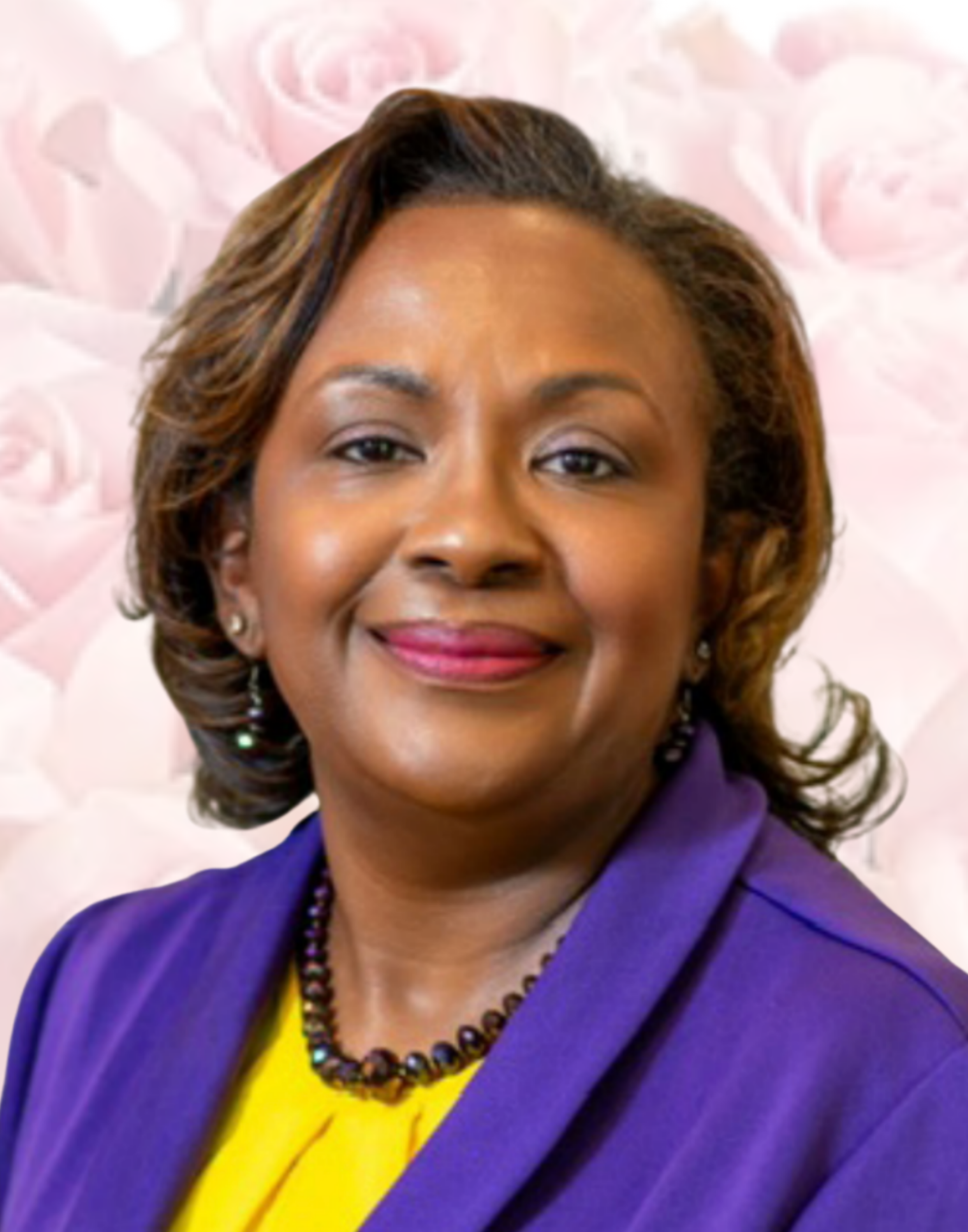

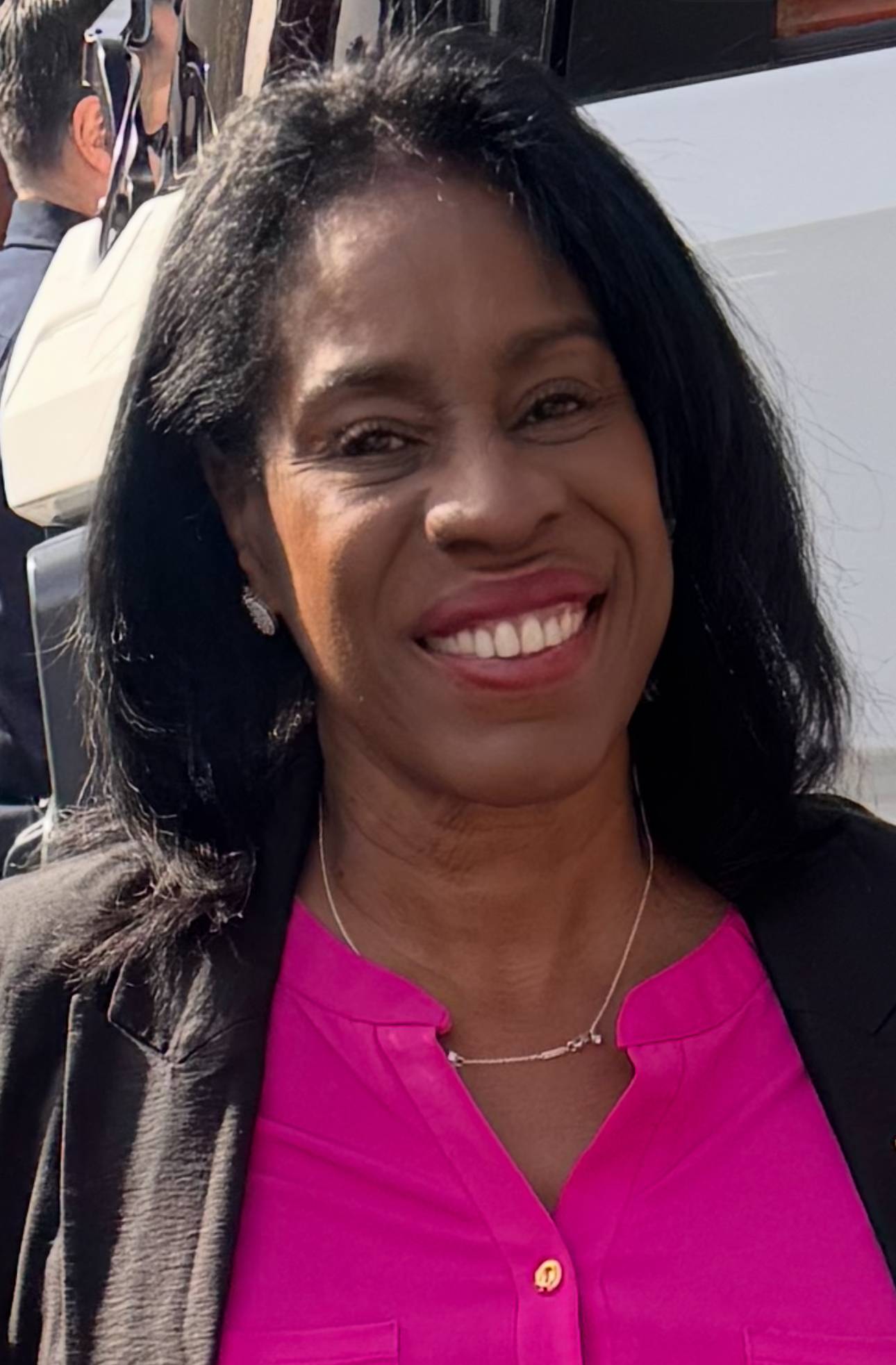
Angela Morrow, co-owner of Green Energy Solutions Holdings, LLC
In a region long defined by warehouses, freeways and some of the worst air quality in the nation, Angela Morrow says her work is driven by a simple mission: “to save the world.”
Morrow, co-owner of Green Energy Solutions Holdings, LLC, is a sustainability leader whose environmental advocacy stretches from solar rooftops in the Inland Empire to humanitarian service abroad.
In an interview with Inland Valley News, she described her work not as a business venture, but as a health and equity imperative forall, including communities disproportionately burdened by pollution.
Morrow, who has lived in California most of her life, serves as co-owner of an organization focused on renewable energy solutions, including commercial and residential solar and electric-vehicle (EV) charging infrastructure.
Beyond her private-sector work, she chairs the Inland Empire Regional Leadership Advisory Board for the U.S. Green Building Council California and also leads its Women in Green initiative.
Morrow’s career spans sustainability, community development, education and humanitarian service, with a focus on advancingpractical solutions that reduce environmental impact while expanding access to resources for underserved communities.
For Morrow, sustainability is inseparable from environmental justice.
She recounted touring Bloomington and witnessing the transformation of equestrian and Latiné neighborhoods into logistics corridors lined with warehouses.
She also pointed to neighborhoods near train tracks and industrial zones where children suffer from asthma at alarming rates, particularly children of color.
“We have the worst air quality in the United States,” she said, describing how the convergence of the 210, 10, 60, 91 and 215freeways funnels truck traffic through Inland Empire communities.
Even in her own neighborhood, she has grown concerned about the impact of idling trucks. “I’ve started using an inhaler,” she said, noting she had never needed one before.
For Morrow, these are not abstract policy debates, they are lived realities in predominantly Black and Latiné communities south of the 210 Freeway, where warehouse expansion and roadway widening often come at the expense of public health.
She emphasized that sustainability goes far beyond solar panels or electric vehicles. “Sustainability is everything,” she said.
Morrow said that it includes soil contamination on brownfields, indoor air pollution from gas stoves and the cumulative effects of diesel exhaust on children’s cognitive and respiratory health.
One of her primary strategies is education, particularly among youth.
Through a program called Future Green Leaders, Morrow and her team have hosted summits for middle school students, offering 30- to 40-minute sessions on practical sustainability measures they can implement at home.
She believes children can influence household habits, just as anti-drug campaigns like the “Just Say No” movement once did.
“Why are we not doing that with sustainability,” she asked. Workforce development is another pillar of her approach.
She outlined efforts to train middle and high school students in installing solar systems and EV charging stations, aiming to build apipeline of skilled workers from within the communities most affected by environmental inequities.
That equity lens also shapes how she talks about renters. Many sustainability incentives favor homeowners, she noted, leaving renters with limited access to solar benefits.
She floated the idea of deploying battery systems in rental properties, using carbon credits and microgrid connections to offset costs.
Her commitment to service predates her work in clean energy.
Morrow said she was raised in service-oriented programs, from Girl Scouts to community volunteering.
She previously operated a Christian military school in Ontario, where cadets marched in full dress blues during graduations on Euclid Avenue.
Her humanitarian efforts have also extended internationally, including years of service in Uganda supporting a school and clinic.
But it is in the Inland Empire, amid public comment battles over warehouse expansion in cities like Fontana and Ontario, where her advocacy feels most urgent.
“We’ve got to stop them,” she said, referring to unchecked industrial growth in vulnerable neighborhoods.
Through the U.S. Green Building Council’s Inland Empire Regional Leadership Advisory Board, Morrow hopes to organize more hands-on summits and brownfield cleanup education efforts.
She also continues to push Women in Green beyond networking breakfasts toward broader community engagement, including toy drives and public-facing events.