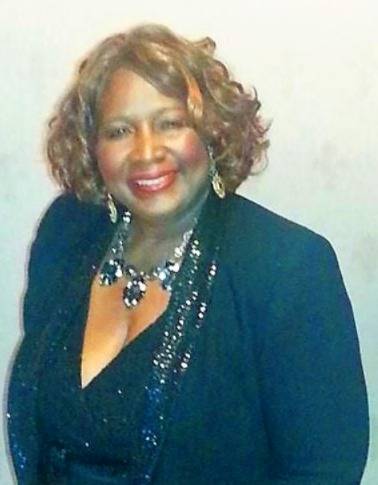
Dr. Trudy Coleman, curator of the Pomona Juneteenth event
Pomona, CA — For more than three decades, Dr. Trudy Coleman has carried the history of Juneteenth into the heart of Pomona — not simply as an annual festival, but as a living reminder of freedom, sacrifice, education and unity.
What began with a small gathering and a desire to teach the community about the meaning of Juneteenth has grown into one of the region’s longstanding celebrations of African American history and culture. This year, as Pomona prepares to celebrate 35-plus years of Juneteenth under Coleman’s leadership, the event stands as both a tribute to the ancestors and a call to future generations.
Coleman, the longtime event producer and founder of Pomona’s annual Juneteenth celebration, said her journey began when she was introduced to the holiday by John Thompson, who was from Kansas City, Missouri, where Juneteenth was already being celebrated.
“I didn’t know what Juneteenth was,” Coleman recalled. “He said, ‘Juneteenth, the freedom day.’”
That conversation changed the course of her life’s work. Once Coleman learned that June 19 marked the day in 1865 when enslaved people in Galveston, Texas, were finally informed of their freedom — more than two years after the Emancipation Proclamation — she knew the history needed to be shared more broadly.
“I got so intrigued and interested,” Coleman said. “I said, this needs to be big.”
In the early years, the celebration was held in downtown Pomona, where Second Street was blocked off for the community gathering. As the event grew, Coleman said it became clear that the celebration needed more room, particularly for children and families. The festival eventually moved to Ganesha Park, where it has continued to serve as a gathering place for generations.
Coleman remembers the early support from city leaders, sponsors and community members who helped give the event room to grow. She also remembers the work, the resistance and the commitment it took to keep going.
“There’s been a whole lot of history behind it and a whole lot of sweat,” she said.
For Coleman, Juneteenth has never been just about entertainment. It has always been about education. Through the years, the celebration has included history, music, vendors, community organizations, youth activities, gospel, cultural presentations and opportunities for residents to connect with elected officials and civic leaders.
“Young people need to know about their ancestors,” Coleman said. “A lot of people died so they can have the freedom that they have today.”
That focus on youth remains central to this year’s celebration. Coleman said the event will continue to create space for young people to learn, participate and engage beyond their phones and screens. This year’s activities are expected to include youth-centered offerings such as soccer-related activities and chess, along with educational and cultural components designed to expose children to history, discipline, strategy and community.
Coleman also highlighted the importance of preserving stories such as that of the Buffalo Soldiers, whose legacy she believes must continue to be passed down. She said bringing historical organizations and presenters into the celebration helps ensure that young people understand that freedom was not freely given — it was fought for, defended and protected by those who came before them.
The Pomona celebration has also long been connected to a larger movement to recognize Juneteenth beyond the local level. Coleman said she and other advocates worked on efforts related to Juneteenth recognition in California and helped connect with national leaders who were pushing for Juneteenth to be acknowledged across the country.
She recalled traveling to Sacramento, working with legislators and helping keep records and artifacts connected to the movement. Coleman said the fight for Juneteenth recognition was not without opposition, but she remained committed to ensuring that the history was preserved.
“We can say we’re the first ones that worked on the holiday bill,” she said of the California effort.
Coleman also spoke about her work with the National Juneteenth Convention and Expo, which brought Juneteenth organizers from across the country together to share information, build strategy and create a more unified message around the holiday. She said leaders including John Thompson, Opal Lee and Dr. Ronald Myers were part of a broader national network of advocates who helped carry Juneteenth forward.
This year, Coleman said Juneteenth celebrations across the country are also honoring the legacy of Dr. Ronald Myers, one of the national leaders who worked to advance Juneteenth recognition.
For Coleman, Pomona’s celebration is rooted in what she calls “American unity.”
While Juneteenth is grounded in the African American experience, Coleman said the message of freedom belongs to everyone. She emphasized that the celebration is not about division, but about bringing people together around shared human needs — freedom, housing, safety, dignity, opportunity and equality.
“We are one,” Coleman said. “People need to stop looking at you like you’re something else other than what they are.”
That is why, she said, the event has often used red, white and blue as a central theme. For Coleman, the colors symbolize a demand to be recognized fully as Americans.
“We want to be treated like Americans,” she said. “Freedom, justice and equality — those are common things that bond people together.”
Over the years, the Pomona Juneteenth celebration has become more than an event. Coleman described it as a “family reunion,” a place where longtime residents, retired teachers, elected officials, families, vendors, church members, youth and elders return year after year.
People who attended as children now return as adults. Some bring their own children. Some remember being picked up by their mothers to attend the celebration when they were young. That generational connection, Coleman said, is one of the most meaningful parts of the work.
“It’s generational,” she said. “People who’ve been there for a long time, they show up.”
The event traditionally opens with gospel music, something Coleman sees as both spiritual and practical.
“I say we chase off any bad spirits with gospel,” she said. “It’s great to open up with praising God.”
Faith has been a guiding force throughout Coleman’s life and throughout the Juneteenth celebration. As the youngest of 10 children, a caregiver to family members and a woman who has faced significant health and personal challenges, Coleman said she believes God has kept her here for a purpose.
That purpose, she said, includes helping others, keeping history alive and making sure future generations understand the value of freedom.
Coleman has also used Juneteenth as a platform to support small businesses, entrepreneurs and community organizations. Through the years, the celebration and related events have brought vendors, educational groups, cultural organizations and business owners together. She said many people do not know where to find resources, so she made it part of the mission to bring resources directly to the people.
“It was not just a festival,” Coleman said. “It was a springboard.”
Entertainment remains part of the celebration, and Coleman said she continues to value music with meaning. This year’s celebration is expected to include a performance by Bo Henderson, a former singer with legendary groups including The Temptations and The Stylistics.
Coleman said she intentionally keeps “old school” music alive because of its message, its respect for women and family, and its connection to a generation that understood community, love and responsibility.
“The young people still need to hear that,” she said.
As more cities and organizations now host Juneteenth events, Coleman said she welcomes the growing interest but hopes future celebrations can be better coordinated across the region. Rather than multiple events competing on the same day, she said she would love to see communities work together to celebrate Juneteenth throughout the month.
Her vision remains rooted in collaboration, not competition.
“It’s never been about the money for me,” Coleman said. “It’s been about the sacrifices and the honor of our ancestors who died so we could even be here.”
After more than 35 years of producing Pomona’s Juneteenth celebration, Coleman hopes her legacy will be remembered as one of faith, perseverance and unity.
When asked what she wants people to remember about her contribution, Coleman pointed to the principles that have guided her work from the beginning.
“Freedom, justice and equality,” she said. “Those things should never leave here.”
And if Pomona’s Juneteenth celebration could be summed up in one phrase, Coleman’s answer is clear: American unity.
Through every challenge, every generation and every year of celebration, Coleman has remained committed to keeping Juneteenth alive in Pomona — not as a passing holiday, but as a sacred reminder of where we have been, how far we have come and how much work remains.
As families gather once again, Coleman’s message is simple but powerful: remember the ancestors, teach the children and keep moving forward together.